
Ready to Get Started?
Schedule a consultation with our expert HVAC technicians and get a quote for your HVAC project.
Summer in Idaho can be relentless. As temperatures climb into the 90s and beyond across Caldwell, Boise, Meridian, Nampa, Eagle, and the surrounding Treasure Valley, homeowners often notice one thing before anything else: their electricity bill.
Air conditioning systems naturally work harder during periods of extreme heat, but that doesn't mean your cooling costs have to spiral out of control. In many cases, a few simple adjustments around your home, combined with proper HVAC maintenance, can significantly reduce energy consumption while keeping your family comfortable.
Whether your goal is to improve efficiency, extend the life of your air conditioner, or simply spend less on monthly utility bills, there are several practical strategies that can help you lower AC costs in Idaho without sacrificing comfort.
In this guide, we'll cover ten proven ways to reduce cooling expenses during Idaho's hottest summer weeks, explain why they work, and help you determine when it's time to bring in a professional HVAC technician.
Quick Summary
If you're looking for ways to lower AC costs in Idaho, focus on these proven strategies:
- Replace your air filter regularly.
- Schedule professional air conditioning maintenance before peak summer heat.
- Install or upgrade to a smart thermostat.
- Keep your outdoor condenser unit clean.
- Seal air leaks around windows and doors.
- Improve attic insulation.
- Use ceiling fans to support your AC.
- Reduce indoor heat during the hottest part of the day.
- Keep your ductwork in good condition.
- Know when an older air conditioner should be replaced.
Even small improvements can add up to meaningful savings throughout Idaho's cooling season.
Why Cooling Costs Rise So Much During Idaho Summers
Idaho's climate presents unique challenges for residential HVAC systems. While mornings may begin comfortably, afternoon temperatures often rise rapidly, forcing air conditioners to run continuously for hours at a time.
Longer cooling cycles naturally increase electricity usage. However, older equipment, poor insulation, dirty filters, and neglected maintenance can cause your system to consume even more energy than necessary.
The result is higher utility bills without noticeably better comfort.
Fortunately, homeowners have far more control over these costs than many realize.
1. Replace Your Air Filter Regularly
One of the easiest and least expensive ways to improve your air conditioner's efficiency is replacing the air filter.
As the filter collects dust, pollen, pet hair, and other airborne particles, airflow becomes restricted. Your HVAC system must then work harder to circulate cooled air throughout your home.
Even a partially clogged filter can increase energy consumption while reducing indoor comfort.
Signs It's Time to Replace Your Filter
- Reduced airflow from supply vents
- Increased dust throughout the home
- Longer cooling cycles
- Higher utility bills
- Uneven temperatures between rooms
Most homeowners should inspect their air filter every month during summer and replace it every one to three months depending on usage, pets, and indoor air quality.
A clean filter helps your system operate more efficiently, making it one of the simplest ways to lower AC costs in Idaho.
2. Schedule Professional AC Maintenance Before Peak Summer
Preventative maintenance remains one of the best investments homeowners can make.
Many cooling problems develop gradually. Dirty coils, worn capacitors, low refrigerant levels, loose electrical connections, and airflow restrictions often go unnoticed until they begin reducing efficiency or causing breakdowns.
Scheduling professional AC maintenance before temperatures reach their peak allows technicians to identify these issues early.
Typical maintenance includes:
- Cleaning condenser coils
- Inspecting refrigerant levels
- Testing electrical components
- Checking thermostat calibration
- Measuring airflow
- Cleaning drain lines
- Inspecting safety controls
According to the U.S. Department of Energy, regular maintenance helps air conditioners operate more efficiently while reducing unnecessary energy consumption.
Preventative service not only lowers operating costs but also reduces the likelihood of expensive repairs during Idaho's hottest weeks.
3. Upgrade to a Smart Thermostat
Many homeowners are surprised by how much energy is wasted through unnecessary cooling.
A smart thermostat automatically adjusts temperatures based on your schedule, reducing runtime when nobody is home while maintaining comfort when you return.
Instead of cooling an empty house all afternoon, your thermostat can gradually bring temperatures back to your preferred setting before you arrive.
Additional benefits include:
- Remote temperature control
- Energy usage reports
- Learning schedules
- Vacation settings
- Automatic efficiency adjustments
For homeowners considering thermostat upgrades, professional smart thermostat installation ensures compatibility with your existing HVAC equipment and helps maximize energy savings.
4. Keep Your Outdoor Condenser Unit Clean
Your outdoor condenser is responsible for releasing heat removed from your home.
When grass clippings, leaves, weeds, cottonwood, or dirt accumulate around the unit, airflow becomes restricted.
Without proper airflow, your air conditioner must run longer to achieve the same indoor temperature.
Simple Maintenance Tips
- Keep at least two feet of clearance around the unit.
- Remove weeds and vegetation regularly.
- Gently rinse condenser fins using a garden hose.
- Never stack outdoor furniture or storage bins against the unit.
Keeping the condenser clean helps maintain efficient heat transfer and reduces unnecessary strain on your equipment.
5. Seal Air Leaks Around Your Home
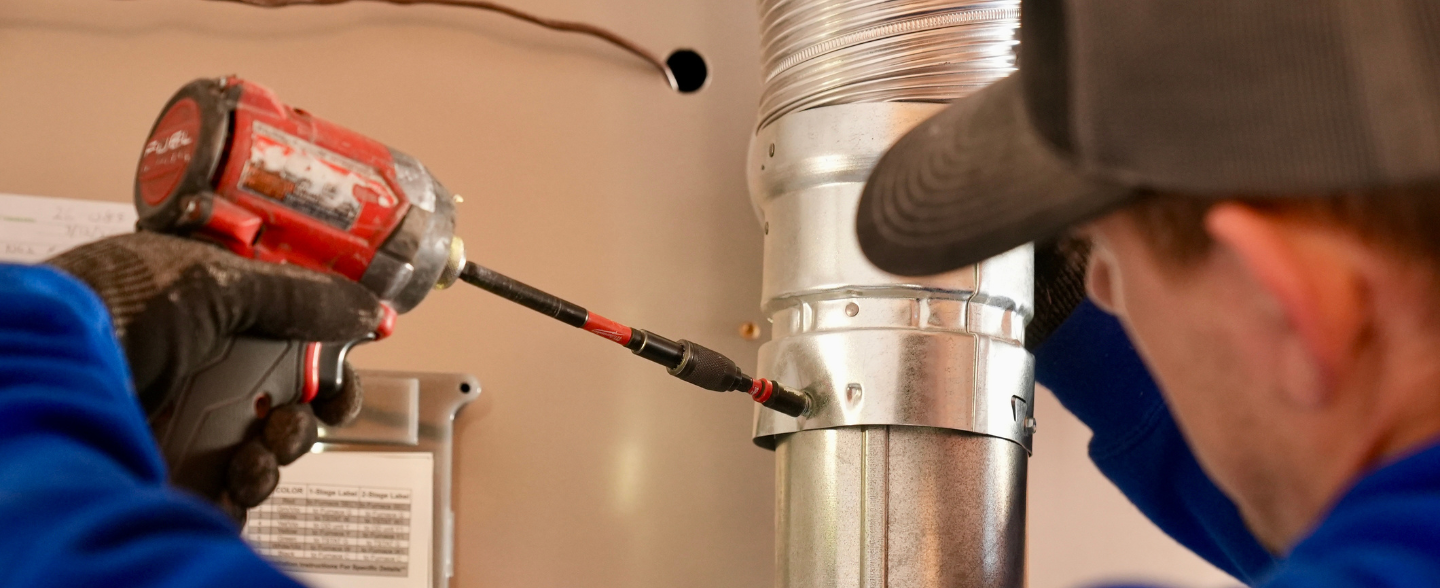
Even the most efficient air conditioner cannot overcome significant air leaks.
Small gaps around windows, doors, attic hatches, plumbing penetrations, and electrical openings allow cooled air to escape while hot outdoor air enters your home.
As your air conditioner works to replace this lost conditioned air, energy consumption increases.
Common Air Leak Locations
- Exterior doors
- Window frames
- Attic access panels
- Plumbing penetrations
- Electrical outlets on exterior walls
- Garage entry doors
Simple weatherstripping and caulking projects often provide immediate improvements in comfort while helping homeowners lower AC costs in Idaho throughout the summer.
6. Improve Your Home's Insulation
Insulation acts as your home's thermal barrier.
Without sufficient attic insulation, heat from the roof transfers into your living spaces, forcing your air conditioner to work significantly harder.
Many older Idaho homes have insulation levels below current recommendations.
Adding insulation can help:
- Reduce heat gain
- Improve indoor comfort
- Shorten cooling cycles
- Lower monthly utility bills
- Reduce wear on HVAC equipment
Combined with proper air sealing, insulation improvements often provide some of the highest long-term energy savings available to homeowners.
7. Use Ceiling Fans to Support Your Air Conditioner
Many homeowners assume ceiling fans cool a room. In reality, fans cool people, not the air itself.
By circulating air throughout the room, ceiling fans create a wind chill effect that makes occupants feel cooler. This allows many homeowners to increase the thermostat setting by two to four degrees without sacrificing comfort.
Since every degree you raise the thermostat reduces the workload on your air conditioner, ceiling fans can make a noticeable difference during Idaho's hottest weeks.
Ceiling Fan Best Practices
- Set fans to rotate counterclockwise during summer.
- Turn fans off when rooms are unoccupied.
- Use fans alongside your air conditioner rather than instead of it.
- Clean fan blades regularly to maintain airflow.
Using ceiling fans correctly is one of the simplest ways to lower AC costs in Idaho while improving indoor comfort.
8. Reduce Indoor Heat During Peak Afternoon Hours
Your air conditioner is constantly removing heat from your home. The less heat you generate indoors, the less work your cooling system has to perform.
Many common household activities produce significant amounts of heat, especially during the afternoon when outdoor temperatures are already at their highest.
Ways to Reduce Indoor Heat
- Close blinds and curtains on south and west-facing windows.
- Delay using the oven until evening.
- Grill outdoors whenever possible.
- Switch to LED lighting.
- Run dishwashers and clothes dryers after sunset.
- Limit the use of heat-producing appliances during the hottest part of the day.
Simple lifestyle adjustments like these help reduce cooling demand and improve overall HVAC efficiency.
According to Energy Saver by the U.S. Department of Energy, reducing indoor heat gain is one of the most effective ways to decrease cooling costs during summer.
9. Have Your Ductwork Inspected
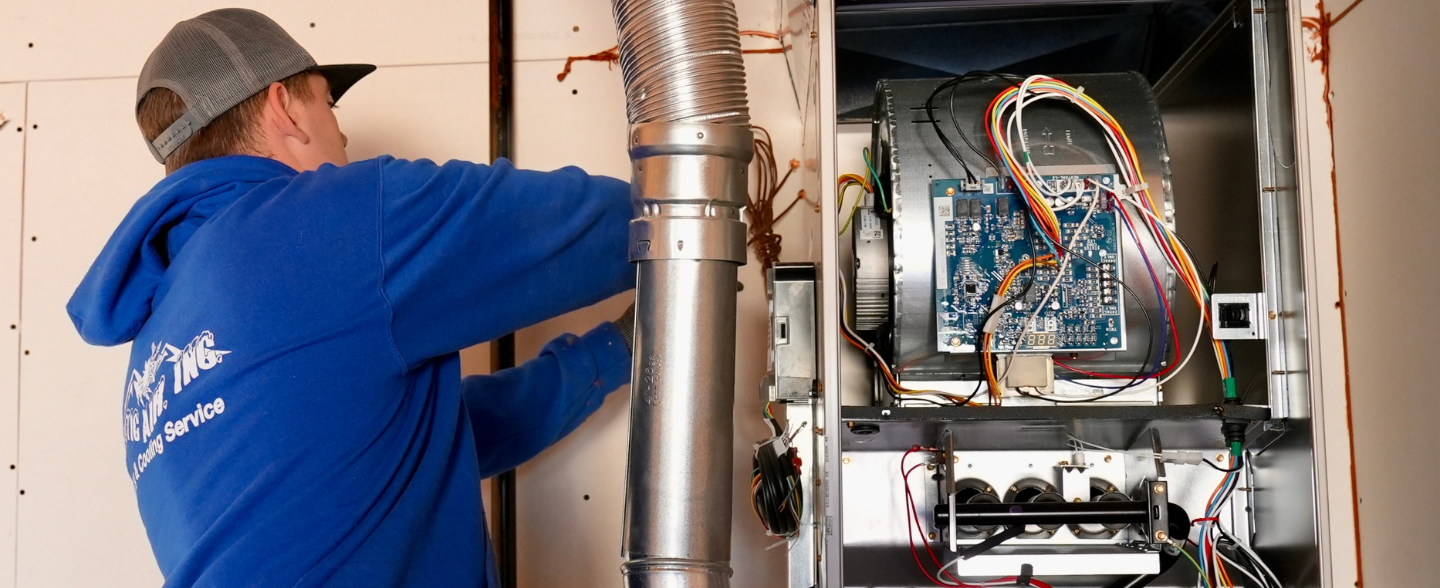
Even an efficient air conditioner cannot perform well if conditioned air never reaches your living spaces.
Leaky or poorly insulated ductwork can waste a surprising amount of cooled air before it ever reaches your rooms.
This forces your air conditioner to run longer, increasing both energy consumption and wear on the system.
Signs You May Have Duct Problems
- Certain rooms remain warmer than others.
- Weak airflow from some registers.
- Excessively dusty rooms.
- Higher-than-normal energy bills.
- Longer cooling cycles.
Professional duct inspections can identify leaks, disconnected sections, and airflow restrictions that reduce system efficiency.
If you're already scheduling air conditioning repair because of uneven cooling, it's worth having your ductwork evaluated at the same time.
10. Know When It's Time to Replace an Older Air Conditioner
Sometimes the biggest reason your cooling bills continue rising has nothing to do with maintenance or thermostat settings.
Older air conditioning systems naturally become less efficient over time. Components wear out, motors work harder, and refrigerant systems lose performance.
If your system is more than 12 to 15 years old and requires frequent repairs, continuing to invest in maintenance may no longer be the most economical decision.
Signs Replacement May Save You Money
- Rising utility bills every summer.
- Frequent repair appointments.
- Uneven cooling throughout the home.
- Long cooling cycles.
- Expensive component failures.
- Difficulty maintaining comfortable temperatures.
Many homeowners discover that investing in professional air conditioning installation significantly lowers monthly operating costs while improving overall comfort.
If you're unsure whether repair or replacement is the better choice, our guide on when to repair vs. replace your air conditioner in the Treasure Valley can help you compare your options.
Which Energy-Saving Improvements Deliver the Greatest Results?
Some upgrades require very little investment, while others provide substantial long-term savings over many years.
| Improvement | Upfront Cost | Potential Benefit |
|---|---|---|
| Replace Air Filter | Low | Improves airflow and system efficiency |
| Professional AC Maintenance | Low to Moderate | Reduces breakdowns and improves efficiency |
| Smart Thermostat | Moderate | Optimizes cooling schedules automatically |
| Air Sealing & Insulation | Moderate | Reduces heat gain and lowers cooling demand |
| High-Efficiency AC Replacement | Higher | Provides the greatest long-term energy savings |
Frequently Asked Questions
How can I lower my AC costs in Idaho without replacing my system?
Start by replacing your air filter, scheduling annual maintenance, sealing air leaks, installing a smart thermostat, and keeping your outdoor condenser unit clean. These improvements often provide meaningful energy savings without requiring a new air conditioner.
Does AC maintenance really reduce energy bills?
Yes. A properly maintained system operates more efficiently because components remain clean, refrigerant levels stay within specifications, and airflow restrictions are identified before they reduce performance.
What thermostat temperature saves the most money?
The U.S. Department of Energy generally recommends setting your thermostat as high as comfortably possible when you're home and increasing the temperature while you're away to reduce cooling costs.
Is it worth upgrading to a smart thermostat?
For many homeowners, yes. Smart thermostats automatically adjust cooling schedules based on occupancy and daily routines, helping reduce unnecessary system runtime while maintaining comfort.
How often should my air conditioner be serviced?
Professional HVAC maintenance should be scheduled at least once each year, ideally during the spring before Idaho's hottest summer weather arrives.

Keep Your Home Comfortable Without Overspending This Summer
Idaho's summer heat is unavoidable, but unusually high cooling bills don't have to be.
Simple improvements like replacing air filters, scheduling regular maintenance, installing a smart thermostat, sealing air leaks, and improving insulation can all work together to reduce energy consumption while keeping your home comfortable. Even small efficiency improvements often add up to noticeable savings throughout the cooling season.
If your air conditioner still struggles after taking these steps, it may be time for a professional evaluation. An experienced HVAC technician can determine whether maintenance, repairs, or a newer high-efficiency system will provide the best long-term value.
At Arctic Air Idaho, we're committed to helping homeowners throughout Caldwell, Boise, Meridian, Nampa, Eagle, Star, Middleton, and the surrounding Treasure Valley stay comfortable while keeping energy costs under control. Whether you need seasonal air conditioning maintenance, expert AC repair, or guidance on choosing a new cooling system through our air conditioning installation services, our experienced team is here to help.
Contact Arctic Air Idaho today to schedule an inspection and discover practical ways to lower AC costs in Idaho before the hottest weeks of summer arrive.