
Ready to Get Started?
Schedule a consultation with our expert HVAC technicians and get a quote for your HVAC project.
As school schedules return and families settle into a new daily routine, your heating and cooling needs can change too. The air conditioner may run less while the house is empty during the day, evenings may start feeling cooler, and before long, your HVAC system will need to transition from summer cooling to fall heating.
For homeowners throughout Boise and the Treasure Valley, late summer is an ideal time to check system performance, address accumulated wear, and prepare for the seasonal change ahead. Taking care of HVAC maintenance Boise ID homeowners now can help improve comfort, reduce unnecessary energy use, and identify problems before cooler weather arrives.
Why Back-to-School Season Is a Smart Time to Check Your HVAC System
August may not immediately seem like an important HVAC maintenance month. After all, your air conditioner has already made it through much of the summer.
That is exactly why it deserves attention.
Boise-area air conditioning systems can accumulate considerable runtime during hot summer weather. After weeks of cooling your home, components may be dirty, filters may be clogged, and small performance problems may become easier to notice.
At the same time, your family's schedule often changes dramatically when school begins. A home that was occupied throughout the day during summer vacation may suddenly sit empty for several hours.
A back-to-school HVAC check provides an opportunity to adapt your system to those changes while making sure it remains ready for the final stretch of hot weather.
Homeowners who have noticed cooling problems during the summer can also use this time to determine whether professional AC repair is needed before the cooling season ends.
Your Back-to-School HVAC Checklist at a Glance
The following checklist separates simple homeowner tasks from issues that may require professional attention.
1. Start by Checking Your HVAC Air Filter
One of the easiest and most important items on any HVAC checklist is the air filter.
During summer, your cooling system can move large volumes of air through the home. Dust, pet hair, pollen, and other particles accumulate in the filter over time.
As the filter becomes dirty, airflow through the HVAC system may become restricted. That can make it harder for the system to circulate conditioned air effectively.
Check your filter and replace it if it is visibly dirty or if it has reached the manufacturer's recommended replacement interval.
How frequently a filter needs replacement depends on several factors, including:
- Filter type and thickness
- Number of people in the household
- Pets in the home
- Indoor dust levels
- Local air quality
- How frequently the HVAC system operates
Rather than relying only on a calendar, homeowners should periodically inspect the filter itself.
A clean filter is particularly useful during back-to-school season because family routines can bring more outdoor dust and particles into the house. If indoor dust, odors, or airborne contaminants remain a concern even with regular filtration, professional indoor air quality solutions may help address broader air-quality concerns.
2. Make Sure Supply Vents Are Open and Unobstructed
Once you have checked the filter, walk through the house and inspect the supply vents.
Summer activities can change the arrangement of a home. Furniture gets moved, children's rooms are rearranged, and boxes or other household items may end up blocking vents without anyone noticing.
Look for vents that are covered by:
- Beds
- Dressers
- Couches
- Rugs
- Curtains
- Storage containers
- Toys or backpacks
Supply vents need room to distribute conditioned air into the living space.
If one bedroom consistently feels warmer than the rest of the home, checking the vent is a simple first step. Make sure it is open and that furniture or other objects are not interfering with airflow.
However, repeatedly closing vents in unused rooms is not necessarily an effective energy-saving strategy. A central HVAC system is designed around a particular airflow pattern, and significantly restricting airflow can affect system performance.
If multiple rooms continue receiving weak airflow even when the vents are fully open, the issue may be elsewhere in the HVAC system and should be professionally evaluated.
3. Do Not Forget the Return Air Grilles
Supply vents deliver conditioned air, but return grilles are equally important.
The HVAC system must pull indoor air back through the return system before it can condition and redistribute that air throughout the home.
Large pieces of furniture, boxes, or other objects positioned directly in front of a return can interfere with that circulation.
Walk through your home and confirm that return grilles have adequate clearance. If they have accumulated visible dust, carefully clean the exterior surface.
Good circulation becomes especially important when trying to maintain comfortable temperatures throughout bedrooms, living spaces, home offices, and other frequently occupied rooms.
Homeowners who continue experiencing significant airflow or comfort problems may benefit from having the entire system evaluated rather than repeatedly adjusting individual vents.
4. Update Your Thermostat for the School-Year Routine
Back-to-school season often creates a completely different household schedule.
During summer vacation, children may be home throughout the day and the thermostat may be set to maintain the same temperature from morning through evening. Once school starts, that pattern may no longer make sense.
A programmable or smart thermostat can help align HVAC operation with the times your family is actually home.
Consider the main periods in your household's weekday schedule:
- Morning before school and work
- Daytime while the house is less occupied
- Afternoon when family members return
- Evening
- Overnight
Instead of making dramatic temperature changes, establish a schedule that balances comfort with reasonable energy use.
It is also worth checking whether the thermostat is responding normally. If the displayed temperature seems significantly different from how the house feels, or if the system does not respond correctly to thermostat adjustments, professional inspection may be appropriate.
Boise homeowners looking for broader heating and cooling support can review Arctic Air Idaho's Boise, ID service area information.
5. Give the Outdoor AC Unit a Quick Visual Inspection
Your outdoor condenser spends the summer exposed to Idaho's weather and outdoor debris.
You do not need to disassemble the equipment to perform a useful visual check.
Look around the unit for:
- Leaves
- Grass clippings
- Weeds
- Dirt buildup
- Landscaping growing too close to the equipment
- Objects leaning against the cabinet
- Obvious signs of physical damage
The condenser needs adequate airflow around it to release heat from your home.
Keep the surrounding area reasonably clear, but avoid opening equipment panels or attempting electrical or refrigerant repairs yourself.
This is also a useful time to listen while the system is operating. A sudden new buzzing, grinding, rattling, or other unusual sound deserves attention, particularly if it appears alongside reduced cooling performance.
Professional AC maintenance can provide a more comprehensive inspection when the system is due for service.
6. Pay Attention to Uneven Temperatures Throughout Your Home
As your family returns to a regular school and work routine, you may begin noticing comfort problems that were easier to overlook during summer.
One bedroom may stay noticeably warmer than another. An upstairs space may take much longer to cool. The living room may feel comfortable while a home office or child's bedroom remains stuffy.
Occasional temperature differences can occur because rooms have different levels of sun exposure, insulation, windows, and airflow. Persistent or significant differences, however, may point to an HVAC performance issue.
Possible causes include:
- Dirty or clogged air filters
- Blocked supply or return vents
- Ductwork problems
- Insufficient airflow
- Thermostat location
- Insulation deficiencies
- Air leaks around windows or doors
- HVAC equipment performance issues
Do not assume that lowering the thermostat several degrees will solve the problem. If conditioned air is not reaching a particular room effectively, making the rest of the house colder can increase energy consumption without addressing the underlying cause.
A professional HVAC inspection can help determine whether the issue originates with the cooling equipment, airflow, ductwork, or another part of the home.
7. Watch for Signs Your AC Worked Too Hard This Summer
Boise's cooling season can place substantial demands on residential air conditioning equipment. By back-to-school season, your AC has already handled weeks of summer operation.
That makes late summer an excellent time to consider how the system has actually been performing.
Think back over the previous several weeks.
Has the air conditioner started running longer than it did earlier in the season? Has airflow weakened? Are certain rooms becoming harder to cool? Have you heard noises that were not present at the beginning of summer?
Cooling Problems That Deserve Attention
Watch for:
- AC cycles that seem unusually long
- Frequent cycling on and off
- Weak airflow from multiple vents
- Warm or insufficiently cool air from supply vents
- Unusual buzzing, rattling, grinding, or clicking
- Unexplained increases in cooling costs
- Difficulty reaching the thermostat setting
- Water or moisture around indoor HVAC equipment
- Unusual odors when the system operates
One symptom does not automatically mean the air conditioner is failing. However, changes in performance are worth investigating, particularly when several symptoms appear together.
Scheduling service while the system is still operating can also give you an opportunity to address developing problems before they become more disruptive.
8. Review Your Summer Energy Use
Back-to-school season is also a useful time to look at your recent utility bills.
Cooling costs naturally fluctuate with outdoor temperatures, so a higher summer bill does not automatically indicate an HVAC problem. However, substantial changes compared with similar periods can provide clues about system performance.
Consider whether:
- Your thermostat settings have remained relatively consistent
- Household occupancy has changed significantly
- This summer has required considerably more cooling
- The AC seems to run longer than it did previously
- You have noticed reduced airflow or uneven cooling
- Your system has received regular maintenance
An HVAC system that has to work harder to produce the same level of comfort will generally consume more energy.
Dirty filters, dirty coils, airflow restrictions, worn components, and other system problems can all affect performance.
Homeowners can help by keeping filters clean, using reasonable thermostat settings, keeping vents unobstructed, and maintaining the equipment regularly.
Professional maintenance goes further by allowing a technician to inspect system components and identify conditions that may be affecting performance.
9. Make Indoor Air Quality Part of Your Back-to-School Checklist
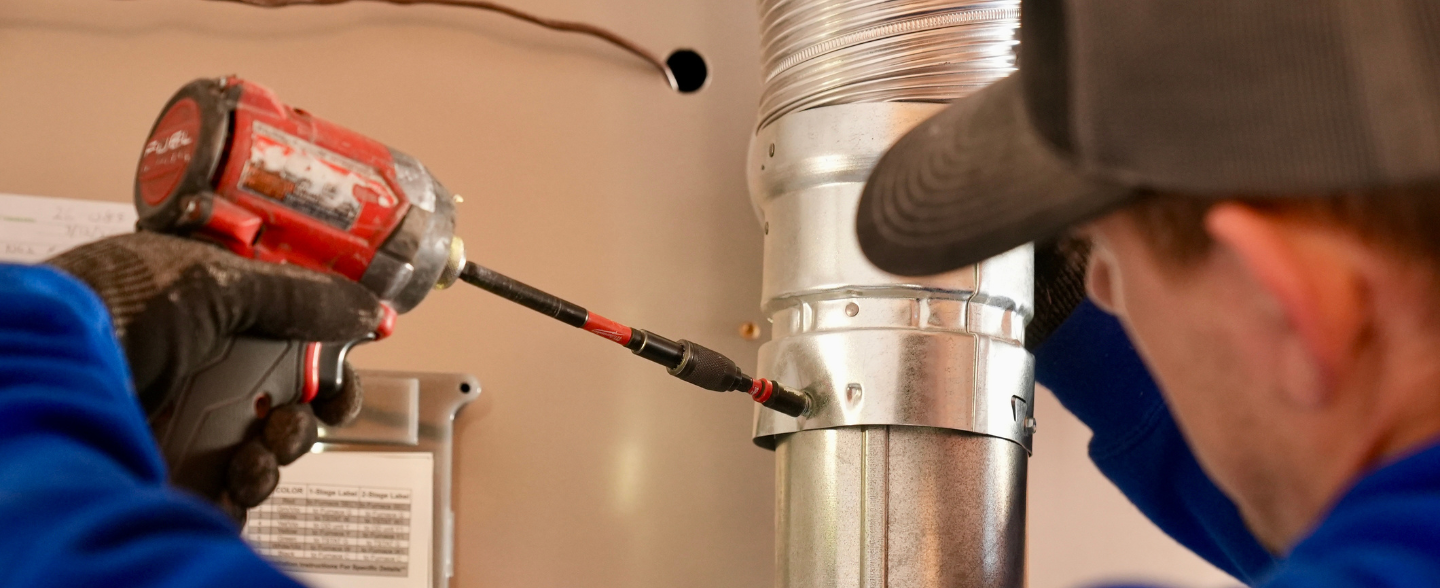
HVAC maintenance is not only about temperature.
The same system responsible for heating and cooling your home also circulates air throughout the living space. That makes the beginning of the school year a good opportunity to think about indoor air quality.
Children return to classrooms and activities, windows may remain closed more frequently as outdoor temperatures change, and families often spend more time indoors as fall approaches.
Common indoor air quality concerns can include:
- Dust
- Pet dander
- Pollen
- Airborne particles
- Household odors
- Poor ventilation
- Inadequate filtration
- Humidity concerns
Start with the basics. Inspect the HVAC filter, keep return grilles clean, vacuum regularly, and make sure airflow is not being restricted.
Some homes may benefit from additional filtration or air-quality equipment depending on the specific concern.
Arctic Air Idaho offers indoor air quality services for homeowners who want to explore additional ways to improve the air circulating through their homes.
10. Use Late Summer to Prepare for the Cooling-to-Heating Transition
One of the advantages of performing HVAC maintenance Boise ID homeowners need during back-to-school season is timing.
Your air conditioner may still be needed during warm afternoons, but fall is approaching.
That creates a valuable transition period between heavy cooling demand and the beginning of the heating season.
Your HVAC system should not simply be forgotten once temperatures become comfortable enough to turn off the AC.
Instead, use the transition to review the condition of the entire system.
A basic homeowner checklist can include:
- Replace a dirty air filter
- Confirm the thermostat operates correctly
- Keep supply and return vents unobstructed
- Check for unusual HVAC noises
- Note any unusual odors
- Review cooling performance from the summer
- Check when professional maintenance was last completed
- Make sure the heating system is ready before cold weather arrives
The goal is to avoid discovering a heating problem on the first genuinely cold morning of the season.
If your heating equipment is due for service, professional heating maintenance can help prepare the system before colder Treasure Valley weather becomes the norm.
11. Test Your Heating System Before You Actually Need It
Homeowners often wait until the first cold day to switch on the furnace for the season.
A better approach is to test the heating system before outdoor temperatures make reliable heat essential.
Choose a cooler day, adjust the thermostat to heating mode, and confirm that the system starts and produces warm air.
Pay attention to:
- Whether the system starts normally
- How long it takes to produce warm air
- Airflow from the vents
- Unusual noises
- Persistent unusual odors
- Whether the thermostat responds correctly
A brief dusty smell can sometimes occur when a heating system first operates after sitting unused. However, persistent burning odors, electrical smells, unusual noises, or abnormal system behavior should not be ignored.
Testing the system early gives you more time to arrange service if something is wrong.
It is much easier to address a heating concern during mild weather than after temperatures drop and your family depends on the furnace for daily comfort.
12. Look at Your HVAC Maintenance History
Another useful back-to-school task is checking when your HVAC system was last professionally serviced.
Homeowners frequently remember emergency repairs but forget routine maintenance appointments.
Look through your service records and consider:
- When the AC was last maintained
- When the heating system was last inspected
- Whether any repairs were recommended but postponed
- Whether the same problem has occurred more than once
- Whether filters have been changed regularly
- Whether the system's performance has changed since its last service
Maintenance history becomes increasingly important as HVAC equipment ages.
A system that receives routine attention may provide more opportunities to identify wear before it leads to a larger problem.
If your system has gone through a demanding Boise summer without professional attention, the back-to-school period provides a practical opportunity to have its condition evaluated.
13. Know What Homeowners Can Check and What Requires an HVAC Professional
There are several useful maintenance tasks homeowners can safely perform.
Changing filters, keeping vents clear, checking thermostat settings, and visually inspecting the area around outdoor equipment are reasonable additions to a household maintenance routine.
Other tasks should be left to trained HVAC technicians.
Homeowner Tasks vs. Professional HVAC Maintenance
HVAC equipment contains electrical components and other systems that require appropriate training and tools to inspect safely.
If you notice a performance issue during your back-to-school check, avoid opening equipment panels or attempting complicated repairs yourself.
14. Do Not Let a Small End-of-Summer Problem Follow You Into Next Year
It can be tempting to ignore a cooling issue when fall is only weeks away.
If the AC has made it through most of the summer, homeowners may decide to postpone repairs until the following spring.
That can leave an unresolved problem waiting for you when cooling season returns.
For example, if your system has developed weak airflow, unusual operation, inconsistent cooling, or another performance problem, turning it off for the winter does not correct the underlying issue.
Addressing known problems can help ensure the system is ready when temperatures rise again.
The same principle applies to routine maintenance. Taking care of HVAC equipment during seasonal transitions can help homeowners avoid rushing to prepare the system immediately before the next period of heavy use.
For additional seasonal preparation advice, homeowners can review Arctic Air Idaho's guide on preparing your HVAC for the summer months.
15. Professional Maintenance Can Catch Problems a Home Checklist Cannot
A homeowner HVAC checklist is valuable, but it cannot replace a professional system inspection.
You can recognize symptoms such as weak airflow, unusual noises, longer cooling cycles, or inconsistent temperatures. Determining why those symptoms are occurring may require diagnostic equipment and professional HVAC knowledge.
A maintenance appointment gives a technician an opportunity to inspect the equipment more closely and evaluate how it is operating.
Depending on the system and service being performed, professional maintenance may include checking electrical components, inspecting coils, evaluating airflow, checking system operation, examining drainage, testing controls, and identifying worn components.
That distinction matters.
The purpose of preventative HVAC maintenance is not simply to make a system look clean. It is to evaluate its condition and identify problems that could affect comfort, efficiency, reliability, or future operation.
For Boise families returning to packed school, work, sports, and activity schedules, dealing with those issues proactively can be considerably more convenient than responding to an unexpected HVAC problem later.
What Professional Back-to-School HVAC Maintenance Should Include
A homeowner checklist is useful for identifying obvious concerns, but professional maintenance allows a technician to evaluate components that are difficult or unsafe to inspect without the right tools and training.
For Boise homeowners, a late-summer maintenance appointment can serve two purposes. It provides an opportunity to review how the cooling system performed through the hottest part of the year while also preparing the HVAC system for the transition into fall and winter.
A professional visit may include:
- Inspecting and cleaning important HVAC components
- Checking electrical connections and controls
- Evaluating thermostat operation
- Inspecting the blower assembly
- Checking airflow throughout the system
- Reviewing condensate drainage
- Evaluating cooling performance
- Checking for unusual system operation
- Inspecting filters and recommending appropriate replacement
- Identifying worn components before they fail
- Reviewing any comfort concerns reported by the homeowner
- Preparing heating equipment for upcoming seasonal use
The exact maintenance steps depend on the equipment installed in your home and its current condition.
The goal is not simply to complete a checklist. A quality inspection should help determine whether the system is operating safely, efficiently, and reliably.
Why HVAC Maintenance Matters for Boise Homes
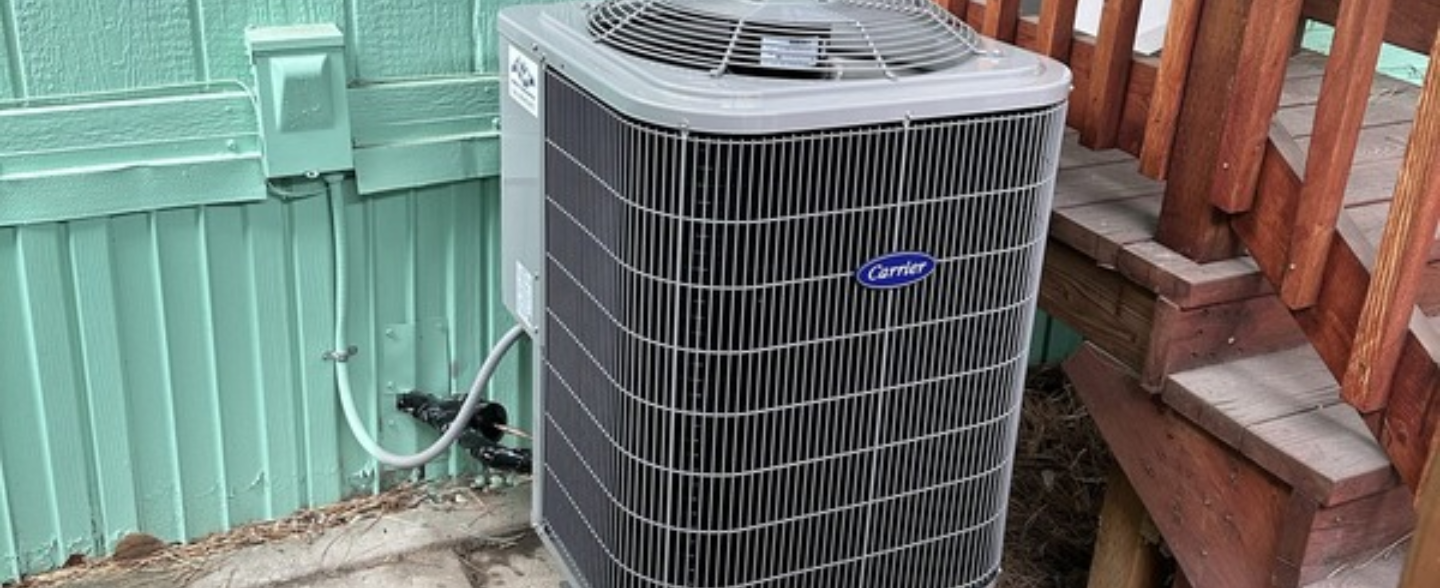
Boise's seasonal temperature swings create unique demands for residential heating and cooling equipment.
During summer, air conditioners may operate for extended periods as outdoor temperatures rise. Once fall arrives, homeowners quickly shift toward heating.
That means the same HVAC system may transition from heavy cooling duty to heating operation within a relatively short period.
Scheduling HVAC maintenance Boise ID homeowners can rely on during this transition offers several potential benefits.
Better System Reliability
Maintenance gives technicians an opportunity to identify worn or failing components before they lead to unexpected shutdowns.
Finding a developing problem during mild weather is usually more convenient than discovering it during the first major cold spell.
More Consistent Comfort
Restricted airflow, thermostat issues, dirty components, and other HVAC problems can lead to uneven temperatures.
Correcting those issues can help rooms throughout your home maintain more consistent comfort.
Improved Energy Efficiency
An HVAC system that is operating properly does not have to work unnecessarily hard to maintain the thermostat setting.
Routine maintenance can help identify conditions that increase runtime or reduce performance.
Longer Equipment Life
Every HVAC system eventually wears out, but unnecessary strain can accelerate that process.
Keeping filters clean, maintaining proper airflow, and addressing developing mechanical issues can help reduce avoidable wear.
Fewer Seasonal Surprises
Back-to-school season is already busy enough.
Between school schedules, sports, activities, commuting, and work responsibilities, an unexpected heating or cooling failure can quickly disrupt the household.
Preventative maintenance reduces the likelihood that a neglected problem catches you by surprise during a period of extreme weather.
When Should Boise Homeowners Schedule HVAC Maintenance?
There is no single date that works for every homeowner, but seasonal transitions are often practical times to evaluate HVAC equipment.
For cooling equipment, many homeowners schedule service in spring before summer temperatures arrive.
For heating systems, fall maintenance before regular furnace use can help prepare equipment for the colder months.
If your system has not been professionally inspected this year, back-to-school season provides another useful opportunity to catch up.
You should consider scheduling service sooner if:
- Your HVAC system has not been maintained within the past year
- Your AC struggled during the summer
- Cooling costs increased unexpectedly
- Some rooms are consistently warmer or colder
- Airflow has weakened
- You hear unusual HVAC noises
- The system cycles unusually frequently
- You have noticed unexplained odors
- Your thermostat does not appear accurate
- Your heating system had problems last winter
- Your HVAC equipment is older and has required previous repairs
Waiting until equipment stops working can limit your options and turn a manageable maintenance issue into an urgent repair.
A Back-to-School HVAC Routine You Can Repeat Every Year
One of the easiest ways to stay ahead of HVAC problems is to make maintenance part of your regular household calendar.
Back-to-school season already involves resetting schedules, organizing the home, and preparing for fall. Adding a short HVAC review can make seasonal maintenance easier to remember.
A simple annual routine could look like this:
Late Summer
- Check the air filter
- Review thermostat schedules
- Inspect supply and return vents
- Look around the outdoor condenser
- Note any cooling problems from summer
- Review recent utility bills
Early Fall
- Test the heating system
- Confirm warm airflow
- Listen for unusual noises
- Check thermostat operation
- Schedule heating maintenance if due
Winter
- Continue checking filters
- Keep vents unobstructed
- Monitor heating performance
- Address unusual noises or odors promptly
Spring
- Prepare the AC for cooling season
- Clear outdoor equipment
- Replace filters as needed
- Schedule AC maintenance before peak heat
Turning these steps into a recurring routine makes HVAC care much easier than trying to remember maintenance only when something goes wrong.
Frequently Asked Questions About HVAC Maintenance Boise ID
How often should I schedule HVAC maintenance?
Most homeowners benefit from having cooling and heating equipment inspected on a regular seasonal schedule. The ideal timing depends on your system, equipment age, usage, and maintenance history.
Is back-to-school season too late for AC maintenance?
No. While spring maintenance is ideal before heavy summer use, late summer can still be valuable. It allows a technician to identify problems that developed during peak cooling season and address them before the system sits unused for several months.
Should I change my HVAC filter when school starts?
Back-to-school season is a convenient reminder to inspect it. Replace the filter if it is visibly dirty or has reached the recommended service interval for the filter installed in your system.
Can changing thermostat schedules lower energy use?
It can. If your house is less occupied during school and work hours, a programmable or smart thermostat can help reduce unnecessary heating or cooling while still returning the home to a comfortable temperature before everyone arrives.
Why is one bedroom hotter than the others?
Uneven temperatures may result from blocked vents, airflow restrictions, ductwork issues, insulation differences, sun exposure, or HVAC performance problems. Start by checking the vent and filter. Persistent problems deserve professional evaluation.
Should I test my furnace before cold weather starts?
Yes. Testing your heating system during mild weather gives you time to identify potential problems before reliable heat becomes essential.
Does HVAC maintenance help prevent breakdowns?
Maintenance cannot guarantee that a component will never fail, but routine inspections can reveal developing problems, worn components, airflow restrictions, and other conditions before they lead to larger failures.
Keep Your Boise Home Comfortable Through Every School Season

Back-to-school season is about getting the household ready for a new routine, and your HVAC system deserves a place on that checklist.
After working through Boise's summer heat, your cooling equipment may have accumulated wear, dust, or performance issues that should not be carried into another season. At the same time, cooler weather is approaching, which means your heating system will soon become responsible for keeping your family comfortable.
Checking filters, clearing vents, adjusting thermostat schedules, reviewing summer performance, and testing your heating system are all simple steps homeowners can take now.
Professional maintenance goes further by giving an HVAC technician an opportunity to evaluate system operation, identify developing concerns, and recommend repairs when necessary.
For homeowners looking for dependable HVAC maintenance Boise ID, Arctic Air Idaho provides heating, cooling, maintenance, repair, and indoor air quality services throughout Boise and the surrounding Treasure Valley.
If your system has not been inspected recently or you noticed performance problems during the summer, scheduling service before the next major temperature change can help keep your home comfortable and your HVAC equipment ready for the season ahead.