
Ready to Get Started?
Schedule a consultation with our expert HVAC technicians and get a quote for your HVAC project.
Whether you're converting your garage into a workshop, building a new home addition, or looking for a better way to heat and cool your detached shop, maintaining a comfortable temperature can be a challenge. Many of these spaces were never connected to your home's existing ductwork, making traditional HVAC systems expensive or impractical to extend.
Fortunately, a ductless mini split Idaho homeowners can rely on offers an efficient, flexible solution. These systems provide both heating and cooling without requiring ducts, allowing you to enjoy year-round comfort while keeping energy costs under control.
In this guide, we'll explain how ductless mini-splits work, where they perform best, their advantages and limitations, and how to determine whether they're the right investment for your Idaho property.
Why Garages, Shops, and Home Additions Present Unique HVAC Challenges

Many homes throughout the Treasure Valley have spaces that were added after the original home was built or were never intended to be fully conditioned. While these rooms increase usable square footage, they often lack sufficient heating and cooling.
Examples include:
- Attached garages converted into workshops
- Detached garages
- Hobby rooms
- Home offices
- Bonus rooms
- Finished basements
- Sunrooms
- Guest suites
- New home additions
Attempting to extend existing ductwork into these spaces isn't always practical. The original HVAC system may not have been designed to handle the additional load, which can reduce comfort throughout the rest of the home and increase operating costs.
Instead, many homeowners choose professionally installed ductless systems because they provide independent temperature control exactly where it's needed.
What Is a Ductless Mini-Split?
A ductless mini-split is a heating and cooling system consisting of two primary components:
- An outdoor condenser
- One or more indoor air handling units
The two units are connected through a small opening in the wall using refrigerant lines, electrical wiring, and a condensate drain.
Unlike traditional forced-air systems, ductless units deliver conditioned air directly into the room without relying on ductwork.
This design provides several important benefits:
- Higher energy efficiency
- Individual room temperature control
- Quiet operation
- Flexible installation
- Lower energy losses compared to ducted systems
Because every indoor unit operates independently, homeowners can customize temperatures based on how each room is used.
How Does a Ductless Mini-Split Work?
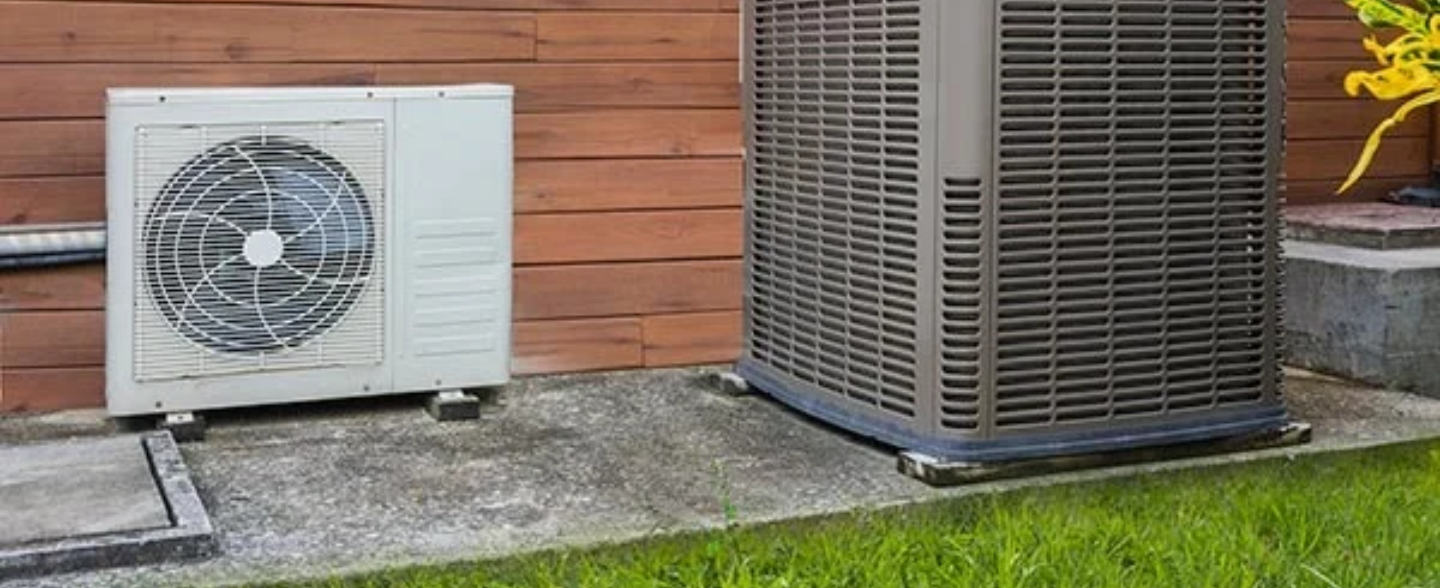
Although compact, modern ductless systems use advanced heat pump technology capable of both heating and cooling.
During the summer, the system removes heat from inside your home and transfers it outdoors.
During the winter, the process reverses. Even when outdoor temperatures are low, the system extracts available heat from the outside air and transfers it indoors.
Today's high-efficiency mini-splits perform exceptionally well in Idaho's climate, making them a practical option for year-round comfort.
Benefits of Installing a Ductless Mini-Split in Idaho
Energy Efficiency
Traditional duct systems can lose a significant amount of conditioned air before it reaches the intended room, especially if ducts run through attics or crawl spaces.
Because mini-splits eliminate ductwork, they avoid these energy losses while delivering conditioned air directly into the occupied space.
Many systems also use inverter-driven compressors that automatically adjust output instead of repeatedly cycling on and off. This allows them to maintain more consistent temperatures while consuming less electricity.
Zoned Comfort
One of the biggest advantages of a ductless mini split Idaho homeowners appreciate is zoned temperature control.
Instead of conditioning the entire house, you can heat or cool only the rooms currently being used.
For example:
- Keep your garage comfortable while working on weekend projects.
- Maintain a cooler home office during the day.
- Heat a guest suite only when visitors are staying.
- Keep a workshop comfortable without affecting the rest of the home.
This flexibility often results in improved comfort and lower monthly utility bills.
Easier Installation
Extending ductwork often requires opening ceilings, walls, or crawl spaces.
Installing a ductless mini-split typically requires only a small wall penetration connecting the indoor and outdoor units.
This usually means:
- Faster installation
- Less disruption
- Lower labor requirements
- Minimal structural modifications
For many home additions and detached buildings, a ductless system is simply the more practical solution.
Quiet Operation
Modern ductless systems are remarkably quiet.
Indoor units generally operate much more quietly than traditional central HVAC systems, making them excellent choices for:
- Bedrooms
- Home offices
- Reading rooms
- Craft rooms
- Workshops
- Studios
Many homeowners hardly notice the system operating once it's installed.
Improved Indoor Air Quality
Unlike older duct systems that can accumulate dust, allergens, and debris over time, ductless systems include advanced filtration designed to improve indoor air quality.
Routine cleaning and regular HVAC maintenance help keep these filters working efficiently while protecting overall system performance.
Where Does a Ductless Mini-Split Make the Most Sense?
While ductless systems can be installed almost anywhere, they offer the greatest value in spaces where traditional ductwork is unavailable or would be expensive to install.
Let's look at the most common applications.
Garage Heating and Cooling
For many Idaho homeowners, the garage is much more than a place to park vehicles. It may also serve as:
- A woodworking shop
- Home gym
- Hobby room
- Storage space
- Automotive workshop
- Home business
Unfortunately, garages are rarely comfortable year-round.
During summer, temperatures can climb well above outdoor conditions. During winter, they often become too cold to enjoy.
A ductless mini-split solves both problems by providing efficient heating and cooling without requiring modifications to your home's existing HVAC system.
Benefits include:
- Comfortable temperatures year-round
- Reduced humidity during summer
- Better working conditions
- Protection for tools and stored equipment
- Improved energy efficiency
Because the garage operates independently, the rest of your home's comfort remains unaffected.
Heating and Cooling a Detached Shop

Detached workshops present an even bigger challenge.
Running new ductwork underground or through attic spaces is usually impractical and costly.
Instead, many homeowners install a dedicated mini-split that allows the building to maintain comfortable temperatures throughout every season.
This is especially valuable if your shop contains:
- Power tools
- Electronics
- Woodworking equipment
- Craft supplies
- Paints and finishes
- Temperature-sensitive materials
Maintaining a more consistent indoor climate also helps protect equipment from excessive heat, humidity, and freezing temperatures.
Home Additions
One of the most common reasons homeowners choose a ductless mini split Idaho system is for home additions.
Examples include:
- New bedrooms
- Family rooms
- In-law suites
- Finished bonus rooms
- Home offices
- Sunrooms
When a new addition increases your home's square footage, your original HVAC system may no longer be properly sized.
Extending ductwork can result in:
- Uneven airflow
- Reduced comfort
- Higher operating costs
- Increased strain on the existing equipment
Installing a dedicated ductless unit often provides a simpler, more energy-efficient solution while allowing independent temperature control.
Is Extending Existing Ductwork Ever the Better Option?
Sometimes, yes.
If you're already replacing your central HVAC system or performing a major home renovation, extending ductwork may make sense.
However, several factors should be evaluated first.
Consider:
- Whether your current equipment has enough capacity
- The length of the duct run
- Airflow balancing requirements
- Installation costs
- Long-term energy efficiency
A professional HVAC contractor can determine whether extending ductwork or installing a ductless system will provide better long-term performance.
Choosing the Right Size Mini-Split
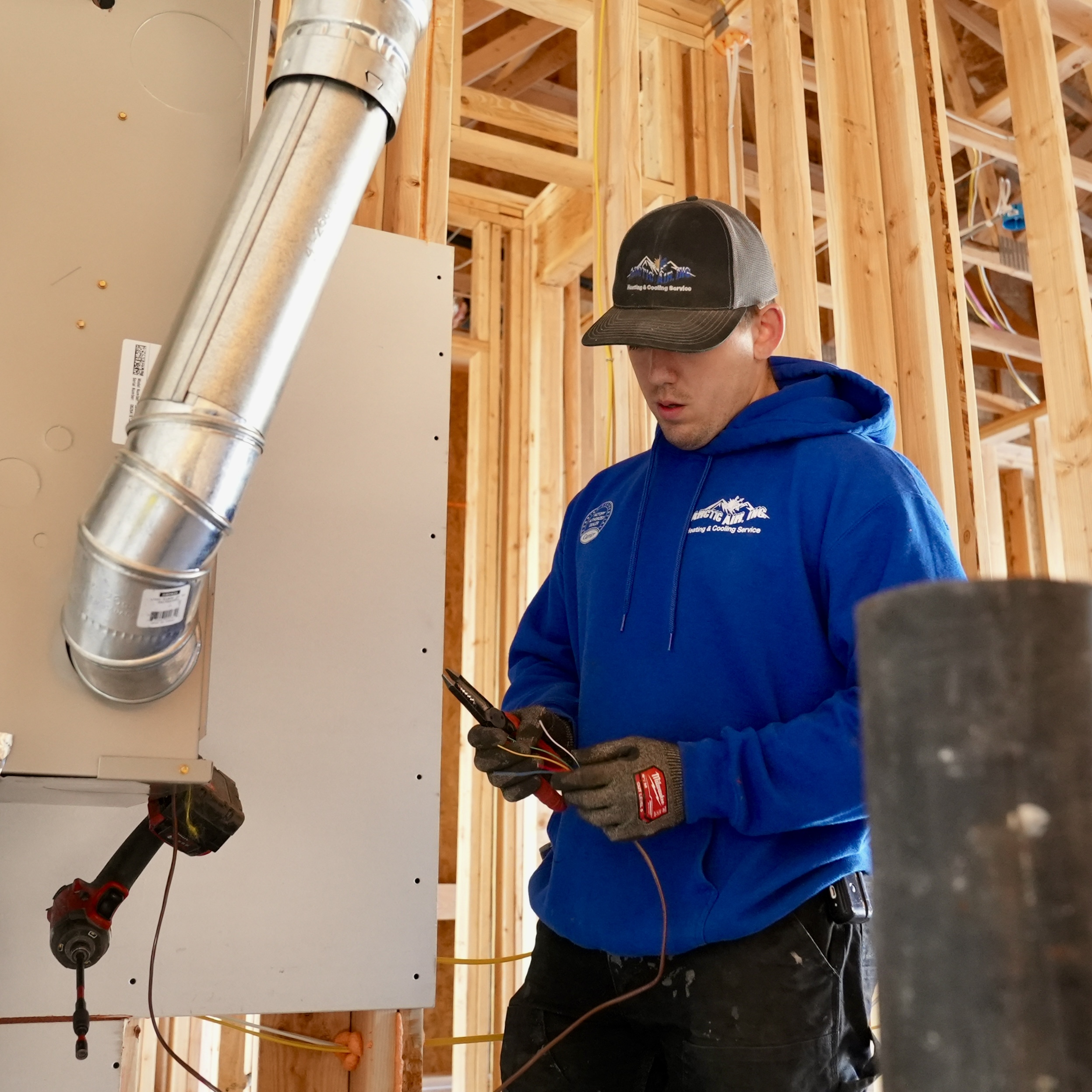
One of the biggest mistakes homeowners make is assuming larger equipment automatically performs better.
In reality, oversized equipment can:
- Cycle on and off too frequently
- Remove less humidity
- Waste electricity
- Reduce long-term reliability
Undersized systems create different problems.
They may:
- Run continuously
- Struggle during extreme temperatures
- Wear out more quickly
- Leave the room uncomfortable
Professional sizing considers several factors, including:
- Room dimensions
- Ceiling height
- Insulation levels
- Window size and orientation
- Number of occupants
- Sun exposure
- Local Idaho climate
Proper sizing helps maximize both efficiency and comfort.
How Energy Efficient Are Modern Mini-Splits?
Modern inverter-driven mini-splits are among today's most efficient residential HVAC systems.
Unlike conventional systems that repeatedly start and stop, inverter technology continuously adjusts compressor speed to match changing indoor conditions.
Benefits include:
- Lower energy consumption
- More consistent temperatures
- Less equipment wear
- Improved humidity control
- Quieter operation
Many homeowners notice lower monthly utility costs after installing a properly sized ductless system.
Keeping the system maintained with regular AC maintenance and seasonal heating maintenance also helps preserve long-term efficiency.
Is a Ductless Mini-Split Worth the Investment?
Although installation costs are typically higher than purchasing a portable heater or window air conditioner, a ductless mini-split offers considerably greater long-term value.
Homeowners often benefit from:
- Lower monthly energy bills
- Improved comfort
- Better temperature consistency
- Increased home value
- Quiet operation
- Year-round heating and cooling
- Minimal maintenance requirements
For spaces that receive frequent use, these long-term advantages often outweigh the initial installation cost.
Ductless Mini-Split vs. Extending Existing Ductwork
Common Signs a Ductless Mini-Split May Be Right for You
You may be an excellent candidate for a ductless system if:
- Your garage is uncomfortable throughout the year.
- You're building or remodeling a home addition.
- A detached workshop lacks heating and cooling.
- Some rooms are consistently hotter or colder than others.
- Extending existing ductwork would require major construction.
- You want independent temperature control for a specific space.
- Energy efficiency is a priority.
If several of these situations sound familiar, scheduling a professional evaluation can help determine whether a ductless system is the best solution for your home.
Frequently Asked Questions
Can a ductless mini-split heat a garage during an Idaho winter?
Yes. Modern cold-climate ductless mini-splits are designed to provide reliable heating even when outdoor temperatures drop well below freezing. Choosing the right system and having it professionally installed helps ensure dependable performance throughout Idaho's winter months.
Will a mini-split cool my shop during the summer?
Absolutely. Ductless mini-splits provide efficient air conditioning that keeps garages, workshops, and detached buildings comfortable even during the hottest summer days. Because they cool only the space being used, they can also help reduce energy consumption.
Is a ductless mini-split better than extending ductwork?
It depends on your home and the space you're conditioning. For garages, detached shops, home additions, and bonus rooms, a ductless system is often the simpler and more energy-efficient option. If you're already replacing your central HVAC system or completing a major remodel, extending ductwork may be appropriate. A professional evaluation can help determine the best solution.
How long does a ductless mini-split last?
With proper installation and regular maintenance, many ductless mini-split systems provide 15 to 20 years of reliable service. Scheduling routine maintenance helps maximize efficiency and extend equipment life.
How much maintenance does a mini-split require?
Maintenance is relatively simple but important. Homeowners should regularly clean or replace air filters, keep the outdoor unit free of debris, and schedule professional inspections to ensure the system continues operating efficiently.
Can one outdoor unit serve multiple rooms?
Yes. Multi-zone ductless systems allow a single outdoor unit to connect with several indoor air handlers. Each indoor unit operates independently, allowing occupants to customize temperatures in different areas of the home.
Find the Right Heating and Cooling Solution for Every Space

Every home is unique, and so are its heating and cooling needs. Whether you're finishing a garage, expanding your home with a new addition, or creating a comfortable workshop, choosing the right HVAC solution can make all the difference in year-round comfort and energy efficiency.
A professionally installed ductless mini split Idaho homeowners trust offers flexible temperature control, quiet operation, and outstanding efficiency without the expense and disruption of extending traditional ductwork. When properly sized and installed, these systems provide reliable comfort while helping lower long-term operating costs.
At Arctic Air, we help homeowners throughout Boise, Caldwell, Nampa, Meridian, Eagle, Middleton, Star, and the surrounding Treasure Valley choose the right comfort solution for every space. From expert ductless systems installations to ongoing heating maintenance and AC maintenance, our experienced team is committed to keeping your home comfortable in every season.
If you're considering a ductless mini-split for your garage, shop, or home addition, contact Arctic Air today to schedule a professional consultation and discover the solution that's right for your home.