
Ready to Get Started?
Schedule a consultation with our expert HVAC technicians and get a quote for your HVAC project.
Idaho fall weather can put your heating and cooling system in an unusual position. A warm afternoon may still call for air conditioning, while a chilly morning or evening can have you thinking about turning on the heat. Preparing for those changing conditions is exactly why fall HVAC maintenance in Idaho deserves attention before colder weather settles in.
For homeowners across Boise, Caldwell, Nampa, Meridian, Eagle, Star, Middleton, and the surrounding Treasure Valley, early fall is an opportunity to look at what summer may have done to the cooling system while making sure the heating side of the system is ready for its first real workout.
A practical fall HVAC check does not mean replacing parts unnecessarily or making major adjustments every September. It means checking airflow, filters, thermostats, heating operation, outdoor equipment, and other areas that can affect comfort as your home moves between cooling and heating.
Quick Summary
Idaho's fall temperature swings can require your HVAC system to switch between cooling and heating within a relatively short period. A few seasonal checks can help you prepare before colder weather arrives:
- Replace or inspect a dirty HVAC filter
- Test your heating system before you need it on a genuinely cold day
- Check thermostat settings and make sure heating and cooling respond correctly
- Keep vents and return-air grilles open and unobstructed
- Inspect accessible outdoor HVAC equipment for leaves and debris
- Pay attention to unusual smells, sounds, short cycling, or weak airflow
- Schedule professional maintenance when your system shows performance or safety concerns
Fall HVAC maintenance in Idaho is ultimately about making the transition from summer cooling to dependable fall and winter heating as smooth as possible.
Why Idaho's Fall Temperature Swings Matter to Your HVAC System
The transition into fall is different from the steady cooling demands of midsummer. During hot weather, your air conditioner may operate on a predictable schedule for weeks at a time. Fall introduces a more variable workload.
Your home might require cooling during a sunny afternoon but little HVAC operation overnight. As temperatures continue falling, the heating system begins taking over during mornings and evenings. Eventually, heating becomes the primary demand.
For the HVAC system, that transition means equipment that may have been inactive for months is suddenly needed again. It is one reason seasonal heating maintenance can be valuable before colder conditions make reliable heating essential. The heating system can be inspected and tested while homeowners still have time to address problems without waiting for a cold-weather breakdown.
Start Your Fall HVAC Maintenance With the Air Filter
The air filter is one of the simplest places to begin because it affects airflow through the HVAC system.
After a summer of regular cooling, a filter may contain dust, pet hair, pollen, and other particles collected from the air moving through the system. If the filter becomes excessively dirty, airflow can become restricted.
Before your heating system begins running regularly, inspect the filter and replace it when appropriate. The correct replacement schedule depends on factors such as the type of filter, household conditions, pets, indoor air concerns, and how frequently the HVAC system operates.
Do not assume a filter is fine simply because it has not reached a particular number of days in service. Checking its actual condition is more useful.
Why Airflow Matters During the Heating Transition
Your HVAC system depends on adequate airflow to move conditioned air throughout the home. When airflow is restricted, you may notice weaker air movement from vents, rooms that take longer to reach the thermostat setting, or equipment that appears to run more than expected.
Before assuming there is a mechanical problem, homeowners can check basic airflow conditions. Make sure supply vents have not been covered by furniture, rugs, boxes, or other household items. Return-air grilles should also have adequate clearance.
If airflow remains weak after obvious obstructions and a dirty filter have been ruled out, the problem may require professional diagnosis.
Homeowners who dealt with cooling performance problems during summer can also review the common signs that an air conditioner is working too hard. Some symptoms observed during the cooling season can provide useful clues about issues worth investigating before the HVAC system moves fully into heating mode.
Test Your Heating System Before the First Cold Stretch

One of the most useful fall HVAC maintenance steps is also one of the easiest to overlook: turn the heat on before you urgently need it.
Waiting until the first genuinely cold night to discover that the furnace will not start puts you in a much less convenient position.
Choose a cool morning or evening and switch the thermostat to heating mode. Raise the set temperature enough to call for heat, then pay attention to how the system responds.
Confirm that the equipment starts and that warm air eventually reaches the appropriate supply vents. Walk through several areas of the home and compare the airflow and temperature rather than checking only the room containing the thermostat.
A brief test gives you an opportunity to identify an obvious problem while outdoor conditions are still relatively mild.
What Should You Watch and Listen For?
Pay attention to changes that seem different from previous heating seasons. Examples can include:
- A heating system that does not start
- Air that remains cold after the system has had time to begin heating
- Unusually weak airflow
- Repeated starting and stopping
- New rattling, grinding, banging, or other abnormal noises
- Persistent unusual odors
- Large temperature differences between rooms
A heating problem should not be ignored simply because the system eventually manages to warm the house. Repeated or unusual behavior can indicate that professional inspection is appropriate.
If your furnace starts but continues delivering cool air, Arctic Air's guide to why a furnace may be blowing cold air covers several issues that can contribute to the problem.
Check Your Thermostat Before Heating Season
Your thermostat is the control point between your household and the HVAC system, making early fall a good time to verify that it is working as expected.
Start by confirming that the thermostat changes correctly between cooling, heating, and fan settings. If it uses replaceable batteries, check whether they need attention according to the manufacturer's instructions.
Then review the temperature schedule.
The schedule that worked during Idaho's hottest summer weeks may not make sense once mornings become cooler and afternoon temperatures fluctuate. Programmable and smart thermostats can help homeowners adjust temperatures around occupancy and daily routines, but only when their schedules reflect the season.
Avoid reacting to every small outdoor temperature change by constantly making large thermostat adjustments. Instead, use settings that support reasonable comfort and allow the HVAC system to respond normally.
Your Early Fall HVAC Checklist
The following checklist separates basic homeowner observations from conditions that may justify professional attention.
| Fall HVAC Check | What Homeowners Can Look For | When Professional Service May Be Appropriate |
|---|---|---|
| Air filter | Visible dirt or heavy buildup | Persistent airflow problems after filter replacement |
| Heating test | System starts and produces warm air | No heat, cold air, unusual cycling, or abnormal operation |
| Thermostat | Correct mode, settings, schedule, and response | System does not respond correctly to thermostat commands |
| Supply vents | Open vents with consistent airflow | Weak airflow affecting multiple rooms |
| Return grilles | Clear of furniture and household obstructions | Ongoing airflow concerns |
| Outdoor equipment | Leaves, weeds, and accessible debris around unit | Equipment damage or performance concerns |
| System sounds | Normal startup and operating sounds | Grinding, banging, persistent rattling, or other new noises |
| Indoor comfort | Reasonably consistent temperatures | Significant or persistent hot and cold spots |
Inspect the Outdoor Equipment After Summer
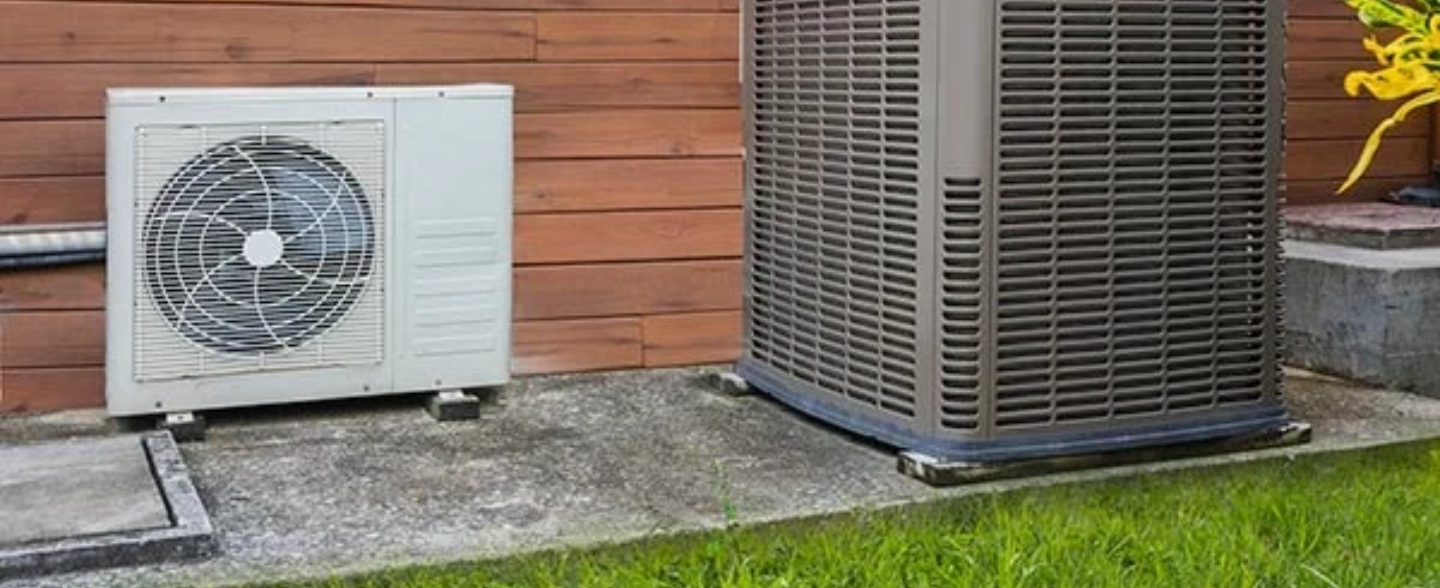
Your outdoor HVAC equipment has spent the summer exposed to heat, dust, grass clippings, weeds, and other debris. As fall arrives, leaves can create another source of buildup around the unit.
Take a visual look around accessible outdoor equipment. Remove loose leaves, weeds, and other debris from the surrounding area while maintaining adequate clearance around the unit. Avoid opening equipment panels or attempting internal cleaning or repairs unless you are qualified to do so.
The goal is not to perform professional maintenance yourself. It is simply to make sure obvious outdoor obstructions are not being overlooked as the seasons change.
If your air conditioner showed signs of declining performance during the summer, fall is also a reasonable time to consider whether AC maintenance is appropriate rather than assuming the problem can wait until next spring.
Do Not Forget About the AC Just Because Summer Is Ending
One common mistake during fall HVAC maintenance in Idaho is focusing entirely on the furnace once temperatures begin dropping.
If the AC struggled to maintain the thermostat setting, ran much longer than expected, made unusual noises, or required repairs during the summer, those problems are worth documenting now.
Some homeowners may be tempted to postpone the issue because the cooling season is nearly finished. That can leave the same problem waiting for them when temperatures climb again next year.
For an older system with increasing repair needs, knowing when to repair or replace an air conditioner can help homeowners understand the factors worth considering.
Check for Uneven Temperatures Throughout Your Home

Idaho's fall weather can make uneven temperatures particularly noticeable. One room may feel comfortable while another becomes chilly, especially when outdoor temperatures change significantly between afternoon and nighttime.
Walk through the home while the HVAC system is operating and pay attention to how different rooms feel.
A single temperature difference does not automatically mean the HVAC system is failing. Sun exposure, windows, room location, insulation, and other characteristics of the home can influence comfort.
Persistent or significant differences, however, deserve attention.
Start with simple checks. Make sure vents are open and not blocked by furniture, curtains, rugs, or boxes. Check that return-air grilles have not been obstructed. If the air filter is dirty, replace it as appropriate.
When several rooms consistently receive weak airflow or have difficulty reaching comfortable temperatures, professional evaluation can help determine whether the issue involves airflow, equipment performance, ductwork, or another part of the HVAC system.
Pay Attention to Unusual Heating Smells
Turning on a heating system after months without using it may produce an odor as accumulated dust encounters warm components. A brief dusty smell at the beginning of the season can be different from an odor that is persistent, unusually strong, or suggestive of an electrical or fuel-related problem.
Homeowners should pay attention to what happens after the system begins operating.
If an unusual odor persists, becomes stronger, smells electrical or burning, or occurs alongside other abnormal system behavior, shut the system down when appropriate and seek professional guidance rather than trying to diagnose internal components yourself.
Gas or combustion-related concerns require particular care. Never attempt to repair gas components, burners, electrical connections, or internal furnace parts without the appropriate training.
Make Carbon Monoxide Safety Part of Fall Preparation
Fall HVAC preparation is not only about comfort and efficiency. For homes with fuel-burning heating equipment, the transition into heating season is also an appropriate time to think about carbon monoxide safety.
Check the carbon monoxide alarms in your home according to the manufacturer's instructions. Make sure alarms are installed where required and that they have not exceeded their recommended service life.
Homeowners should never use an HVAC tune-up as a substitute for functioning carbon monoxide alarms. Both serve different purposes.
Professional heating maintenance can also include inspection of heating components and system operation before the furnace begins handling its winter workload.
If your furnace does not operate correctly during your early-season test, professional furnace repair can address problems that should not be handled as a DIY project.
Think About Indoor Air Quality as Windows Begin to Close
During pleasant early-fall weather, Idaho homeowners may open windows and let outdoor air move through the house. As temperatures fall, those windows tend to stay closed for longer periods and the home begins relying more heavily on its HVAC system.
That makes fall a useful time to think about indoor air quality as well as temperature.
Dust, pet dander, pollen, and other particles can circulate through the home. Idaho's dry conditions and seasonal outdoor contaminants can also influence the indoor environment.
The air filter is an important starting point, but filtration is only one part of indoor air quality. Ventilation, humidity, household sources of pollutants, duct conditions, and the HVAC system can all affect the air inside a home.
Homeowners who are concerned about dust, allergens, odors, or other indoor-air issues can explore Arctic Air's indoor air quality solutions.
Is Early Fall a Good Time for Professional HVAC Maintenance?
For many Idaho homeowners, early fall is a practical time to schedule professional heating maintenance.
The advantage is simple: you can find out how the heating system is performing before colder temperatures make it essential.
A furnace that has been inactive throughout summer may have a problem that is not apparent until the first heating cycle. Discovering that issue on a mild September or October day is generally more convenient than discovering it during a cold night when the home needs heat immediately.
Professional maintenance can also go beyond the basic observations homeowners can safely make themselves. Depending on the equipment and service being performed, a technician can evaluate system operation, heating components, airflow, controls, electrical connections, and other relevant areas.
For homeowners in the Treasure Valley, the goal of fall HVAC maintenance in Idaho should be straightforward: enter the heating season knowing the system has been checked rather than simply hoping it will perform normally when temperatures drop.
Consider the Age and Recent History of Your HVAC System
Not every HVAC system falls in the same condition.
A relatively new system that has received regular professional maintenance and performed reliably through summer presents a different situation from an older system with repeated repairs, rising operating costs, or inconsistent performance.
Before the heating season begins, consider what your HVAC equipment has been telling you over the previous year.
Ask yourself:
- Did the AC require repairs this summer?
- Did the system struggle to maintain comfortable temperatures?
- Have heating problems occurred during previous winters?
- Are repairs becoming more frequent?
- Have some rooms become increasingly difficult to heat or cool?
- Does the system make noises that were not present before?
- Has the equipment required repeated service calls?
No single answer automatically means the HVAC system needs replacement. However, the overall pattern can help you decide whether routine maintenance is sufficient or whether a more detailed professional evaluation would be useful.
Do Not Wait for a Cold Morning to Address Known Furnace Problems
If you already know your furnace had problems last winter, early fall is the time to address them.
A system that had trouble starting, delivered inconsistent heat, cycled abnormally, or required temporary repairs last season should not be assumed to have corrected itself while sitting unused through summer.
The same applies to a heating system that is approaching the end of its useful service life or has required increasingly frequent repairs.
A professional can help determine whether repair is appropriate or whether replacement deserves consideration. If replacement becomes the more practical option, Arctic Air provides furnace installation for homeowners preparing for Idaho's colder months.
The important point is timing. Making an informed decision during mild weather gives you more opportunity to consider your options than waiting until the existing furnace stops providing heat.
Prepare for the First Real Heating Demand

Testing the furnace once is useful, but homeowners should continue paying attention as fall progresses.
The first brief heating cycle of the season may not reveal every problem. When temperatures fall enough for the furnace to begin operating regularly, watch how the home responds.
Does the house reach the thermostat setting reasonably? Are rooms heating consistently? Is airflow normal? Does the equipment start and stop in a way that seems different from previous years?
This transition period provides useful information.
If the system performs normally, continue following appropriate maintenance practices and monitor it through the season. If new symptoms emerge, address them rather than waiting for winter conditions to become more demanding.
Homeowners in Boise who want local HVAC information can also review Arctic Air's Boise, ID HVAC service area.
Fall HVAC Maintenance Is About the Whole Home
A comfortable home depends on more than the furnace itself.
Airflow, insulation, windows, thermostat location, ductwork, filters, equipment condition, and household habits can all influence how effectively heating reaches different areas of the house.
That is why seasonal HVAC preparation works best as a whole-home check rather than a quick furnace startup.
Walk through the home and pay attention to what you actually experience. A thermostat reading can tell you the temperature at one location. It cannot tell you that a bedroom at the opposite end of the house feels noticeably colder or that airflow from one group of vents has weakened.
Homeowners often notice changes before they know what is causing them. Those observations can be valuable.
When scheduling professional service, explain which rooms are affected, when the problem occurs, whether it happens during heating and cooling, and whether the issue has become more noticeable over time.
Frequently Asked Questions About Fall HVAC Maintenance in Idaho
When should I schedule fall HVAC maintenance in Idaho?
Early fall is a practical time because the heating system can be inspected and tested before consistently cold weather arrives. Scheduling before the furnace is needed every day also gives homeowners time to address problems discovered during maintenance.
Should I test my furnace before cold weather arrives?
Yes. Testing the furnace during a cool early-fall morning or evening can help identify obvious problems before reliable heat becomes essential. Confirm that the system starts, produces warm air, and distributes that air throughout the home.
Should I replace my HVAC filter in the fall?
Inspect the filter rather than replacing it solely because the season changed. If it is dirty or has reached the replacement interval recommended for your particular filter and system, replace it as appropriate. A clean filter can support proper airflow as the system transitions into heating season.
Is it normal to use both heating and air conditioning during an Idaho fall?
It can be. Changing fall temperatures may create warm afternoons and much cooler mornings or evenings. Homeowners should use their HVAC systems according to indoor comfort needs rather than assuming that AC must stop being used on a particular date.
What should I check around my outdoor AC unit in the fall?
Look for accessible leaves, weeds, grass, and other debris around the equipment. Maintain appropriate clearance and avoid opening equipment panels or attempting internal repairs. If the AC experienced performance problems during summer, consider professional evaluation rather than simply leaving the issue until spring.
Can fall HVAC maintenance help prevent winter breakdowns?
Maintenance cannot guarantee that equipment will never fail. However, professional inspection can identify certain existing problems before the system begins its heavier winter workload. Early identification gives homeowners an opportunity to address those issues before colder weather increases the need for dependable heating.
Should I have my HVAC system maintained every fall?
Maintenance needs vary by system, equipment type, age, manufacturer recommendations, and service history. Many homeowners schedule heating-system maintenance before heating season and cooling-system maintenance before summer. Follow the recommendations appropriate for your equipment and household.
Give Your HVAC System a Smoother Transition Into Idaho Fall

Idaho's fall temperature swings make September and early fall an important transition period for your home's heating and cooling equipment. The air conditioner may still have work to do on warmer afternoons while the furnace begins returning to service on colder mornings and evenings.
A thoughtful fall HVAC maintenance Idaho checklist starts with the basics: inspect the filter, test the heat, review thermostat settings, keep vents and returns clear, check outdoor equipment, pay attention to indoor comfort, and watch for unusual sounds, smells, or cycling.
Just as importantly, do not ignore problems your HVAC system revealed during summer or the previous heating season. Seasonal changes do not make existing mechanical or airflow problems disappear.
If you want your heating system checked before colder temperatures arrive, schedule fall HVAC maintenance with Arctic Air and head into the next season with greater confidence in your home's comfort.