
Ready to Get Started?
Schedule a consultation with our expert HVAC technicians and get a quote for your HVAC project.
Gas line safety starts with knowing what is normal, recognizing warning signs, and understanding when to leave the area and call a professional.
Natural gas helps power furnaces, water heaters, ranges, dryers, and other equipment in homes throughout Idaho. When the gas piping and appliance connections are properly installed and maintained, homeowners may rarely think about the lines supplying that equipment.
Gas systems, however, are not something to troubleshoot casually.
A damaged line, deteriorating connection, or other problem can require immediate professional attention. Understanding a few basic safety principles can help you recognize when something is wrong, respond appropriately, and avoid turning a potentially serious situation into a do-it-yourself project.
For homeowners preparing for colder weather, this is particularly relevant around gas furnaces and other fuel-burning equipment that may see increased use during an Idaho winter.
Why Gas Line Safety Matters in an Idaho Home

A home's gas piping acts as the delivery system between the fuel supply and the equipment that uses it.
Depending on the property, that equipment might include a furnace, water heater, range, fireplace, clothes dryer, or other gas-powered appliance.
Because several appliances can be connected to the same broader fuel system, gas line safety is not limited to the furnace room.
A problem may occur at a line, fitting, connector, valve, or appliance connection. Work can also become necessary when a homeowner replaces equipment, remodels part of the home, or adds a new gas appliance.
That is why professional gas line services can involve more than responding to leaks. Gas piping may need to be installed, modified, inspected, repaired, or connected correctly when equipment changes.
Know Which Appliances Use Gas
One practical starting point is simply knowing which equipment in your home relies on natural gas.
Common examples can include:
- Gas furnaces
- Gas water heaters
- Gas ranges and cooktops
- Gas clothes dryers
- Gas fireplaces
- Other permanently installed gas-powered equipment
Knowing what uses gas makes it easier to communicate clearly with a technician if you notice something unusual around a particular appliance.
It can also be useful when planning a remodel or replacing equipment. Installing a new gas-powered appliance is not simply a matter of placing the appliance in position. The existing fuel supply and connection need to be appropriate for the equipment and installation.
The U.S. Consumer Product Safety Commission also advises that appliance gas connectors should be replaced when an appliance is replaced or moved, and that a qualified professional should evaluate connectors rather than homeowners moving appliances to inspect them themselves.
What Are the Warning Signs of a Possible Gas Leak?
Homeowners should know the basic indicators that can point to a possible gas problem, but recognizing a warning sign is different from diagnosing its cause.
If you suspect gas is escaping, your priority should be leaving the area safely rather than trying to determine exactly where the leak originates.
A Noticeable Gas Odor
A strong or unusual gas odor is one of the most recognizable reasons to take action.
Do not spend time moving appliances, checking fittings, or searching the house for the source. Do not assume that because the smell seems faint, the situation can safely wait.
Leave the home and contact the appropriate gas authority or emergency services from a safe location.
The Sound of Escaping Gas
A hissing or similar sound near gas piping, a connection, or an appliance can also warrant immediate attention, particularly if you believe gas may be escaping.
Again, this is not a situation where the homeowner should move closer to investigate.
CPSC guidance is straightforward: if you smell or hear leaking gas, leave immediately and make the necessary call once you are safely outside.
A Problem After Moving or Replacing an Appliance
Gas appliance connections deserve particular attention when equipment is moved or replaced.
An appliance may look like a standalone piece of equipment, but a gas-powered model is part of the home's fuel system. Its connection must remain secure and appropriate for the installation.
That is one reason appliance replacement can be an appropriate time to have the connection professionally evaluated instead of assuming an existing connector should automatically be reused.
What Should You Do If You Suspect a Gas Leak?
This is the most important section of the article because the response should be simple.
If you smell gas, hear what appears to be escaping gas, or otherwise have reason to believe there may be a gas leak:
- Leave the home immediately.
- Do not turn lights or electrical switches on or off.
- Do not use a phone or other electronic device while still inside.
- Do not light matches, candles, or anything else that creates a flame.
- Once you are safely outside, contact the gas utility or appropriate emergency services.
- Do not attempt to repair the gas line yourself.
- Do not return simply because the odor appears to have disappeared. Follow the instructions provided by emergency personnel or the gas utility.
These recommendations align with current CPSC guidance, which instructs consumers who smell or hear leaking gas to leave immediately and avoid operating electronics before exiting.
For homeowners who need professional work after the immediate safety concern has been addressed, Arctic Air can help.
Do Not Try to Find a Gas Leak Yourself
Homeowners are accustomed to troubleshooting ordinary household problems. If a faucet drips or a filter looks dirty, taking a closer look may seem reasonable.
A suspected gas leak belongs in a different category.
Avoid moving appliances to inspect connections, attempting to tighten gas fittings, testing for leaks yourself, or dismantling equipment to locate the problem.
Professional evaluation is important because the apparent location of an odor or sound may not tell you everything about the condition of the gas system.
This is also why gas line safety should be viewed as a combination of awareness and restraint. Knowing when not to investigate is just as important as recognizing that something may be wrong.
Gas Line Safety for Furnaces
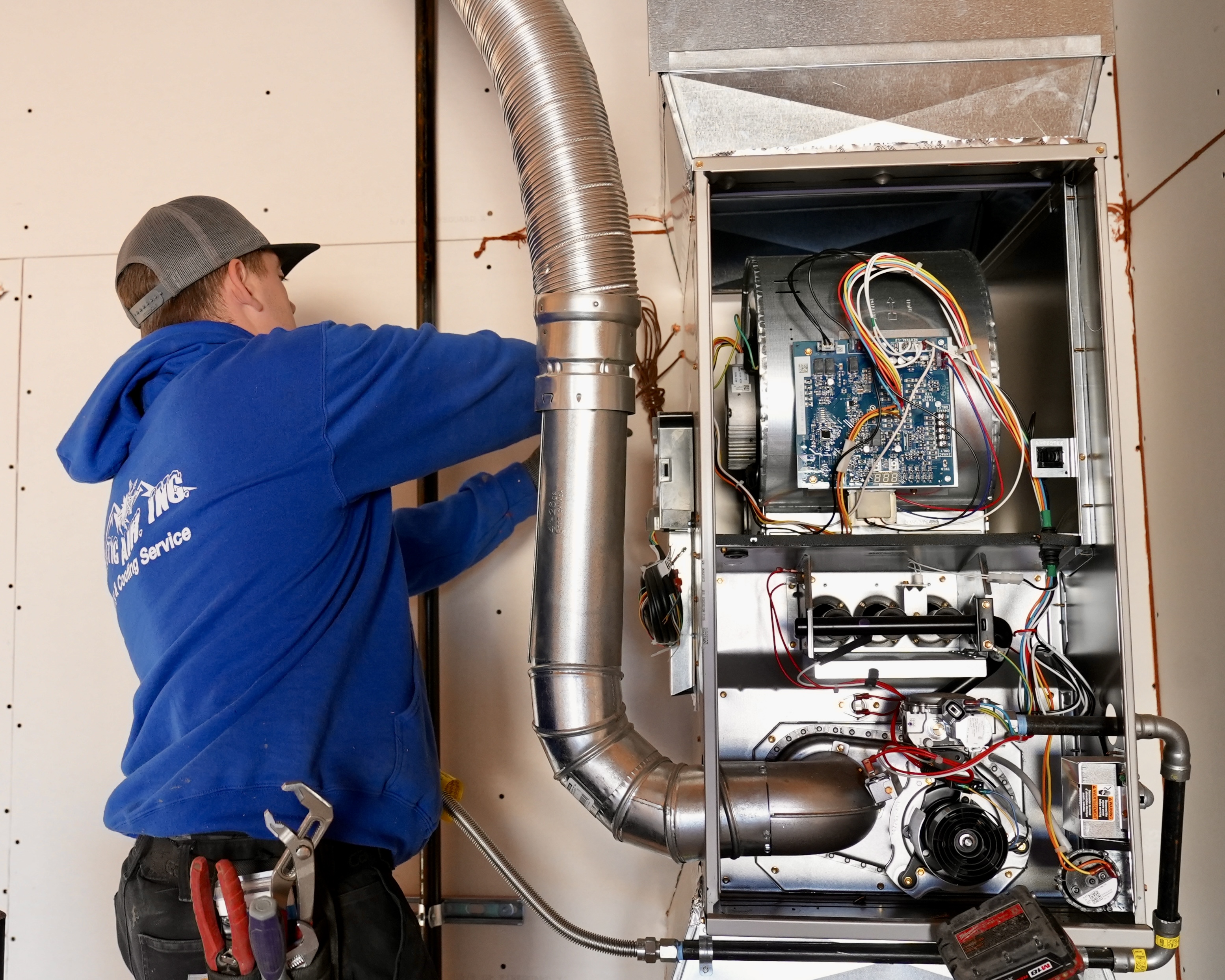
A gas furnace depends on more than the furnace itself. The gas supply, shutoff valve, connections, venting, controls, and other components all need to work together properly.
Homeowners should not attempt to modify or repair the gas supply to a furnace. If the furnace is not operating normally, professional diagnosis can determine whether the issue involves the furnace, its controls, the gas supply, or another part of the heating system.
This becomes especially important when replacing older heating equipment. A new furnace should not simply be connected without considering whether the existing setup is appropriate for the new equipment.
Professional furnace installation provides an opportunity to evaluate the heating system and make sure the new equipment is installed correctly.
Maintenance Supports Safe Furnace Operation
Regular furnace maintenance is also part of responsible home heating.
Maintenance is not a substitute for gas line repair or emergency response, but it gives a technician an opportunity to evaluate the furnace before it is relied on heavily during winter.
Homeowners can also pay attention to changes in furnace operation. Unusual noises, heating problems, unexpected shutdowns, or other changes deserve professional attention rather than repeated resets or DIY adjustments.
Scheduling heating maintenance before colder weather can help identify furnace concerns before the heating season is fully underway.
Gas Line Safety for Water Heaters
Gas water heaters are another common fuel-burning appliance that homeowners may use every day without thinking about the gas connection behind them.
As with a furnace, homeowners should avoid altering gas piping, connectors, valves, or venting themselves.
A water heater replacement also deserves professional attention. The new unit needs to be properly connected, and the surrounding installation needs to meet the requirements of the equipment.
If you notice a possible gas odor or believe there is a leak around a water heater, do not stay in the area attempting to determine whether the appliance is responsible. Follow the same emergency response described earlier: leave the home and contact the appropriate gas authority or emergency service from a safe location.
Gas Lines for Ranges, Dryers, and Other Appliances
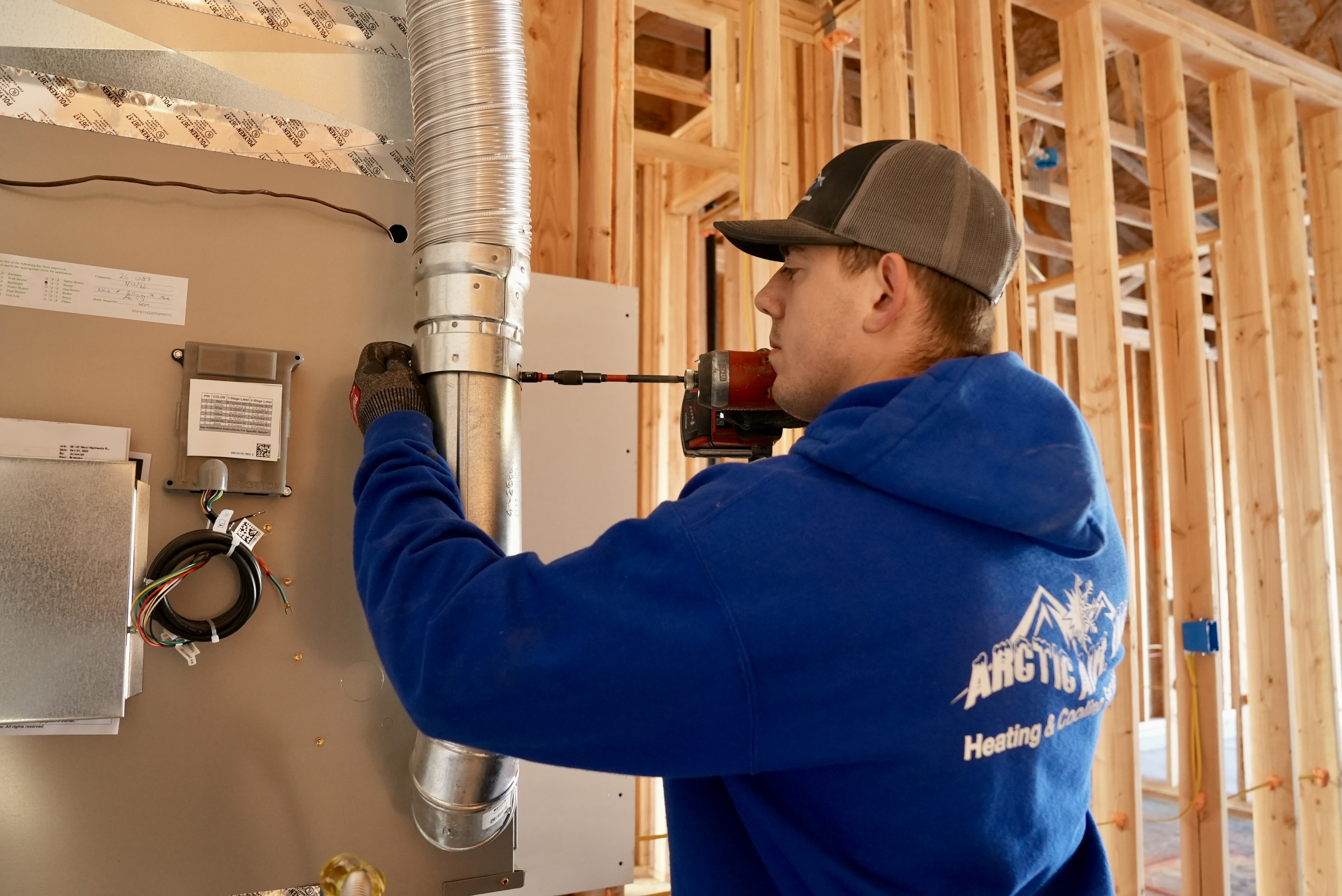
Furnaces and water heaters may be the most obvious gas equipment in an HVAC discussion, but they are not the only appliances connected to residential gas piping.
Depending on the home, natural gas may also supply:
- Ranges and cooktops
- Clothes dryers
- Fireplaces
- Outdoor equipment
- Other approved gas appliances
Adding or replacing one of these appliances can change what is required from the gas system.
For example, remodeling a kitchen and switching to a gas range may require a new gas line rather than simply installing the appliance. Similarly, relocating an appliance may require changes to the existing piping.
These projects should be evaluated professionally so the gas supply and connection are appropriate for the equipment being installed.
Gas Line Concern or Routine Service?
Not every gas-related service call represents an active emergency. There is an important difference between planning gas-line work and responding to a suspected leak.
This distinction is important because gas line safety does not mean treating every planned project as an emergency. It means knowing which situations require immediate evacuation and which require qualified professional service.
Gas Leaks and Carbon Monoxide Are Different Safety Concerns
Homeowners sometimes use the terms gas leak and carbon monoxide problem interchangeably, but they are not the same thing.
A natural gas leak involves fuel escaping from the gas supply system or a connection. Carbon monoxide, or CO, is a poisonous gas that can be produced when fuel burns incompletely.
Carbon monoxide is especially dangerous because you cannot see or smell it.
That is why homes with fuel-burning appliances should have working carbon monoxide alarms. The U.S. Consumer Product Safety Commission recommends installing CO alarms on each level of the home and outside sleeping areas.
Homeowners should test alarms and replace batteries or units according to manufacturer instructions. An alarm should never be ignored or disabled because it seems inconvenient.
If a carbon monoxide alarm sounds, follow the alarm manufacturer's instructions and emergency guidance. Do not assume the absence of a natural gas odor means there is no problem.
When Might a Gas Line Need Professional Attention?
Gas piping can require professional service for reasons other than an active leak.
You may need gas-line work when:
- Installing a new gas appliance
- Replacing existing gas-powered equipment
- Relocating an appliance during remodeling
- Adding gas service to another part of the home
- Addressing damaged or deteriorated piping
- Correcting a connection problem
- Evaluating concerns with an existing gas line
The appropriate work depends on the home, equipment, and existing piping.
If you are planning gas appliance work in the Treasure Valley, Arctic Air also provides gas line services in Nampa, ID.
Why Professional Gas Line Work Matters
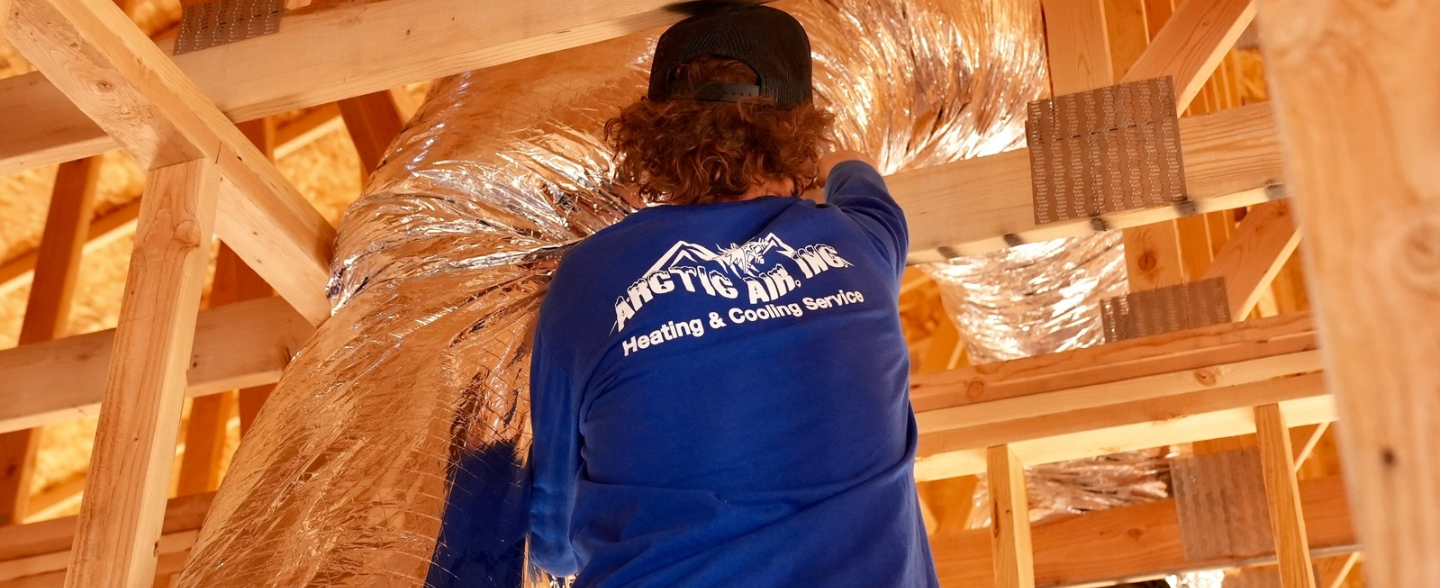
Gas piping is part of a home's fuel-delivery system, so installation and repairs should not be approached like ordinary DIY plumbing projects.
Professional gas-line work may involve determining what piping is appropriate for the application, making secure connections, testing the completed work, and confirming that the installation is suitable for the equipment being supplied.
The exact requirements vary according to the project.
That is why online instructions cannot replace an on-site assessment. A photograph or general description does not provide enough information to determine whether a particular gas-line installation is appropriate for a specific home.
Homeowners in communities such as Caldwell, ID can have their heating and cooling needs evaluated based on the actual equipment and conditions in their home.
Frequently Asked Questions About Gas Line Safety
What should I do if I smell gas in my house?
Leave the home immediately. Avoid operating electrical switches or electronics while inside. Once you are safely outside, contact your gas utility or appropriate emergency services. Do not return until you have been told it is safe to do so.
Can I check a gas line for leaks myself?
If you suspect an active leak, do not stay inside trying to find its source. Leave the property and contact the appropriate gas authority or emergency service. Gas-line inspection and repair should be handled by qualified professionals.
Can an HVAC company work on furnace gas lines?
Gas furnaces require a fuel supply, and qualified HVAC professionals may perform gas-line services associated with heating equipment where permitted and properly licensed. The scope of work can vary by contractor and local requirements.
Should a gas connection be checked when replacing a furnace?
The fuel connection should be part of the installation considerations when gas-powered equipment is replaced. A professional can evaluate the existing setup and determine what is appropriate for the new furnace.
Is a natural gas leak the same as a carbon monoxide leak?
No. Natural gas is the fuel delivered to gas-powered equipment. Carbon monoxide is a toxic gas associated with incomplete combustion. Homes with fuel-burning equipment should have properly installed and functioning carbon monoxide alarms.
Do gas lines only serve furnaces and water heaters?
No. Depending on the home, gas lines may also supply ranges, dryers, fireplaces, and other approved gas appliances.
When should I schedule a gas line inspection?
Professional evaluation may be appropriate if you are replacing or relocating gas equipment, adding a new appliance, remodeling an area involving gas piping, or have concerns about the condition of an existing line. A suspected active leak should be treated as an immediate safety matter rather than a routine inspection request.
Make Gas Line Safety Part of Your Home's Heating Plan

Gas line safety is largely about knowing where homeowner awareness ends and professional work begins.
Know which equipment in your home uses gas. Pay attention to changes around your furnace, water heater, and other gas appliances. Keep carbon monoxide alarms in working order. When installing or replacing gas-powered equipment, make sure the fuel connection is included in the professional evaluation.
Most importantly, treat a suspected gas leak differently from an ordinary home repair. Leave the property rather than searching for the source, make the appropriate call from a safe location, and leave gas-line inspection and repair to qualified professionals.
For Idaho homeowners preparing their homes for colder weather, reviewing gas-powered equipment and addressing known concerns before winter can help reduce last-minute problems when furnaces and water heaters are working harder.
Arctic Air provides gas-line and HVAC services throughout the Treasure Valley. If you are planning a gas appliance installation, need an existing gas line evaluated, or have questions about gas piping connected to your heating equipment, contact Arctic Air to discuss the appropriate next step for your home.