
Ready to Get Started?
Schedule a consultation with our expert HVAC technicians and get a quote for your HVAC project.
Few household problems are as stressful as having your air conditioner stop working during one of Idaho's hottest summer days. When outdoor temperatures climb into the 90s or even higher, indoor temperatures can rise quickly, making your home uncomfortable and, in some cases, unsafe for children, seniors, pets, and anyone with underlying health conditions.
While some cooling problems have simple solutions, others require immediate professional attention. Knowing what to check first can help you avoid unnecessary repairs, protect your air conditioning system from further damage, and restore your comfort as quickly as possible.
Whether you live in Caldwell, Boise, Meridian, Nampa, Eagle, Middleton, Star, or anywhere in the Treasure Valley, understanding how to respond when your AC suddenly stops working can save time, money, and frustration.
This guide explains the most common reasons an air conditioner stops cooling during extreme heat, what you can safely troubleshoot yourself, when to turn the system off, and when it's time to call for emergency AC repair Caldwell ID homeowners can depend on.
Quick Summary
If your air conditioner stops working during an Idaho heat wave, taking the right steps can help protect your HVAC system and keep your family safe while you wait for repairs.
- Stay calm and protect your family from excessive indoor heat.
- Check your thermostat to make sure it's set to Cool and the temperature is set below the current room temperature.
- Inspect your home's circuit breaker for a tripped HVAC breaker.
- Replace a dirty air filter if airflow appears restricted.
- Look for ice on the refrigerant line or evaporator coil.
- Make sure the outdoor condenser unit is running properly.
- Avoid repeatedly restarting the system if it isn't cooling.
- Turn the air conditioner off if you notice ice buildup, burning smells, or loud mechanical noises.
- Contact a qualified HVAC professional if you need emergency AC repair Caldwell ID to restore cooling safely and quickly.
Knowing what to check first and when to call for professional service can help prevent further damage, reduce repair costs, and restore comfort as quickly as possible during Idaho's hottest summer days.
Why Air Conditioners Often Fail During Idaho Heat Waves
Many homeowners assume an air conditioner that stops working during extreme heat simply "couldn't keep up." While unusually high temperatures certainly place extra demand on cooling equipment, the heat itself is often only the trigger rather than the actual cause.
Most AC failures occur because an existing problem finally reaches the point where the system can no longer operate properly.
Some of the most common issues include:
- Dirty air filters
- Frozen evaporator coils
- Refrigerant leaks
- Failed capacitors
- Worn contactors
- Electrical failures
- Thermostat problems
- Blocked condenser coils
- Aging compressors
During prolonged heat waves, these smaller problems become much more noticeable because the system is running almost continuously.
If your air conditioner has already been struggling to keep your home cool, the hottest weeks of summer are often when those underlying issues finally lead to a complete shutdown.
Routine AC maintenance helps identify many of these problems before they become emergency repairs.
Step 1: Stay Safe Before Troubleshooting Your AC
When indoor temperatures begin rising rapidly, protecting your family should always come first.
High indoor temperatures can become dangerous, particularly for:
- Young children
- Older adults
- Pregnant women
- Pets
- Individuals with heart or respiratory conditions
If your home begins approaching unsafe temperatures, consider visiting a cooling center, spending time with family or friends, or relocating temporarily while repairs are completed.
While waiting for repairs:
- Drink plenty of water.
- Close blinds and curtains.
- Avoid using ovens or dryers.
- Use portable fans to improve air circulation.
- Stay in the coolest room of the house.
Once everyone is safe, you can begin checking your HVAC system.
Step 2: Check Your Thermostat First
It sounds simple, but thermostat settings are responsible for more service calls than many homeowners realize.
Before assuming the air conditioner has failed, verify:
- The thermostat is set to Cool.
- The desired temperature is lower than the current indoor temperature.
- The batteries (if applicable) still have power.
- The display is functioning normally.
- No programming schedule has overridden your settings.
Smart thermostats occasionally disconnect from Wi-Fi, experience software glitches, or lose programmed schedules after power interruptions.
If adjusting the thermostat restores operation, no further troubleshooting may be necessary.
If nothing changes after several minutes, continue to the next step.
Step 3: Check the Circuit Breaker
Power surges, electrical storms, and overloaded circuits can trip your HVAC breaker.
Locate your home's electrical panel and inspect both:
- The indoor air handler breaker
- The outdoor condenser breaker
If either breaker has tripped:
- Switch it completely OFF.
- Wait approximately 30 seconds.
- Reset it firmly to ON.
If the breaker immediately trips again, avoid resetting it repeatedly.
Repeated breaker trips usually indicate an electrical fault requiring professional diagnosis.
If your system continues losing power, schedule a emergency HVAC service in Caldwell as soon as possible.

Step 4: Inspect Your Air Filter
A surprisingly large number of cooling problems begin with a neglected air filter.
As filters become clogged with:
- Dust
- Pet hair
- Pollen
- Construction debris
- Household contaminants
Reduced airflow prevents sufficient warm air from reaching the evaporator coil.
Eventually the coil becomes too cold and begins freezing.
Once frozen, airflow nearly stops altogether, leaving homeowners wondering why warm air is suddenly blowing from their vents.
Signs of a Dirty Filter
- Weak airflow
- Increased dust inside the home
- Longer cooling cycles
- Higher utility bills
- Ice forming on refrigerant lines
If your filter appears dirty, replace it before attempting additional troubleshooting.
Step 5: Check for Ice on the Refrigerant Line
If your air conditioner has been struggling before it stopped working completely, look at the insulated copper refrigerant line located near your outdoor unit.
If you notice:
- Ice buildup
- Frost
- Frozen pipes
- Ice on the indoor evaporator coil
turn the cooling system OFF immediately.
Running a frozen air conditioner can damage the compressor, significantly increasing repair costs.
Common causes include:
- Restricted airflow
- Dirty filters
- Refrigerant leaks
- Blower motor problems
Allow the system to thaw naturally before scheduling a professional AC repair. Never chip away ice using tools or sharp objects, as this can permanently damage refrigerant tubing.
Step 6: Make Sure the Outdoor Condenser Is Running
Your indoor blower and outdoor condenser must work together for proper cooling.
Sometimes homeowners hear the indoor fan operating and assume the air conditioner is functioning normally.
Go outside and check whether:
- The condenser fan is spinning.
- The compressor is running.
- The unit sounds normal.
- Air is exhausting from the top of the unit.
If the indoor blower runs but the outdoor unit remains silent, the issue may involve:
- Capacitor failure
- Electrical problems
- Contactor failure
- Compressor malfunction
These repairs involve high-voltage electrical components and should only be handled by qualified HVAC professionals.
Step 7: Know When to Turn Your AC Off
When an air conditioner stops cooling, many homeowners continue lowering the thermostat in hopes the system will eventually recover. Unfortunately, this often makes the problem worse.
If your system is blowing warm air, making unusual noises, or showing signs of ice buildup, turn the thermostat off and switch the fan to ON if recommended by your HVAC technician. This allows air to circulate while helping frozen components thaw naturally.
Turn Your AC Off Immediately If You Notice:
- Ice on refrigerant lines
- Burning smells
- Loud grinding or screeching noises
- Water leaking around the indoor unit
- The outdoor condenser repeatedly starting and stopping
- The circuit breaker tripping multiple times
Continuing to operate a malfunctioning air conditioner can increase repair costs and may lead to compressor failure, one of the most expensive HVAC repairs.

Step 8: What NOT to Do When Your AC Stops Working
Trying to fix an air conditioner yourself may seem tempting during a heat wave, but some actions can make the situation worse.
Avoid These Common Mistakes
Don't Keep Resetting the Breaker
If the breaker trips more than once, an electrical problem likely exists. Repeated resets can damage components and create safety hazards.
Don't Continue Running a Frozen System
Running an air conditioner with frozen coils restricts airflow and can permanently damage the compressor.
Don't Open Electrical Panels
Modern HVAC systems contain high-voltage components that should only be serviced by trained professionals.
Don't Add Refrigerant Yourself
Low refrigerant almost always indicates a leak. Simply adding refrigerant without repairing the leak will not solve the problem and may violate EPA regulations.
Don't Ignore Strange Sounds
Grinding, buzzing, rattling, or squealing noises often indicate failing components that should be inspected before additional damage occurs.
Knowing what not to do is just as important as knowing what to check.
Step 9: Stay Cool While Waiting for Repairs
If your home begins warming quickly, there are several ways to stay comfortable until a technician arrives.
Helpful Temporary Cooling Tips
- Close blinds and curtains to reduce solar heat gain.
- Drink plenty of water.
- Stay on lower floors if possible.
- Use portable or ceiling fans.
- Avoid cooking with the oven.
- Limit use of clothes dryers and dishwashers.
- Keep exterior doors closed.
- Spend time in shaded areas if temperatures indoors become uncomfortable.
If anyone in your household begins showing symptoms of heat exhaustion, seek a cooler location immediately.
For prolonged outages, relocating temporarily to a cooling center, family member's home, or another air-conditioned location may be the safest option.
Step 10: When Does It Become an Emergency?
Not every air conditioning issue requires immediate emergency service.
However, during an Idaho heat wave, certain situations should be treated as urgent.
Call for Emergency AC Repair If:
- Your system has completely stopped cooling during extreme temperatures.
- Someone in the home has medical conditions affected by heat.
- Young children or elderly family members are present.
- You smell burning electrical odors.
- Your breaker continues tripping.
- Water is leaking near electrical equipment.
- Your air conditioner repeatedly shuts off after restarting.
If any of these situations occur, scheduling an emergency AC repair Caldwell ID as soon as possible can help restore cooling before indoor temperatures become dangerous.
For homeowners throughout the Treasure Valley, Arctic Air also provides an Emergency HVAC Service in Caldwell for urgent heating and cooling issues.
Can You Prevent Emergency AC Repairs?
Many emergency service calls begin with small problems that could have been identified earlier.
Preventative maintenance remains one of the best ways to reduce unexpected breakdowns during Idaho's hottest weather.
Professional technicians inspect:
- Refrigerant levels
- Capacitors
- Electrical connections
- Condenser coils
- Evaporator coils
- Drain lines
- Blower motors
- Airflow
- Thermostat operation
Scheduling annual air conditioning maintenance before summer arrives significantly reduces the likelihood of emergency breakdowns.
Common AC Problems and What You Should Do
| Symptom | Most Likely Cause | Recommended Action |
|---|---|---|
| Warm air from vents while the unit is running | Low refrigerant or frozen evaporator coil | Turn the system off and schedule professional AC repair. |
| Weak airflow at registers | Dirty air filter or duct restriction | Replace the filter and have the ductwork inspected if airflow does not improve. |
| Outdoor unit is not running | Electrical issue, capacitor failure, or contactor problem | Schedule professional HVAC service. |
| Ice on refrigerant lines | Airflow restriction or refrigerant leak | Turn the system off and allow it to thaw before calling a technician. |
| Circuit breaker keeps tripping | Electrical fault or compressor issue | Do not continue resetting the breaker. Schedule emergency service. |
| AC repeatedly turns on and off | Thermostat issue or oversized equipment | Have the system professionally diagnosed. |
| Water leaking around the indoor unit | Blocked condensate drain or frozen coil | Turn the unit off and schedule service immediately. |
Frequently Asked Questions
Should I keep running my AC if it's blowing warm air?
No. If your system is blowing warm air, especially during an Idaho heat wave, continuing to run it can place additional strain on the equipment. Turn the system off and perform the basic troubleshooting steps outlined above before calling for service.
How can I prevent emergency AC breakdowns?
The best way to reduce the risk of unexpected failures is to schedule annual AC maintenance. Preventative maintenance allows technicians to identify worn components before they fail during peak summer temperatures.
How quickly should emergency AC repairs be scheduled?
If your air conditioner has completely stopped working during extreme heat, especially if vulnerable family members are in the home, contact an HVAC contractor offering emergency repair services as soon as possible.
Is a broken AC considered an emergency?
During an Idaho heat wave, a complete loss of air conditioning can become an emergency, especially if young children, elderly adults, pets, or individuals with medical conditions are in the home. Burning smells, electrical issues, or repeated breaker trips also require immediate attention.
Should I repair or replace my air conditioner?
That depends on the age of your system, repair history, and the cost of the current repair. Older systems that require frequent repairs may be better candidates for replacement. If you're unsure, our guide on What Can You Expect When You Have Your HVAC Unit Replaced? offers additional insights.
Keep Your Home Safe and Comfortable During Idaho's Hottest Days
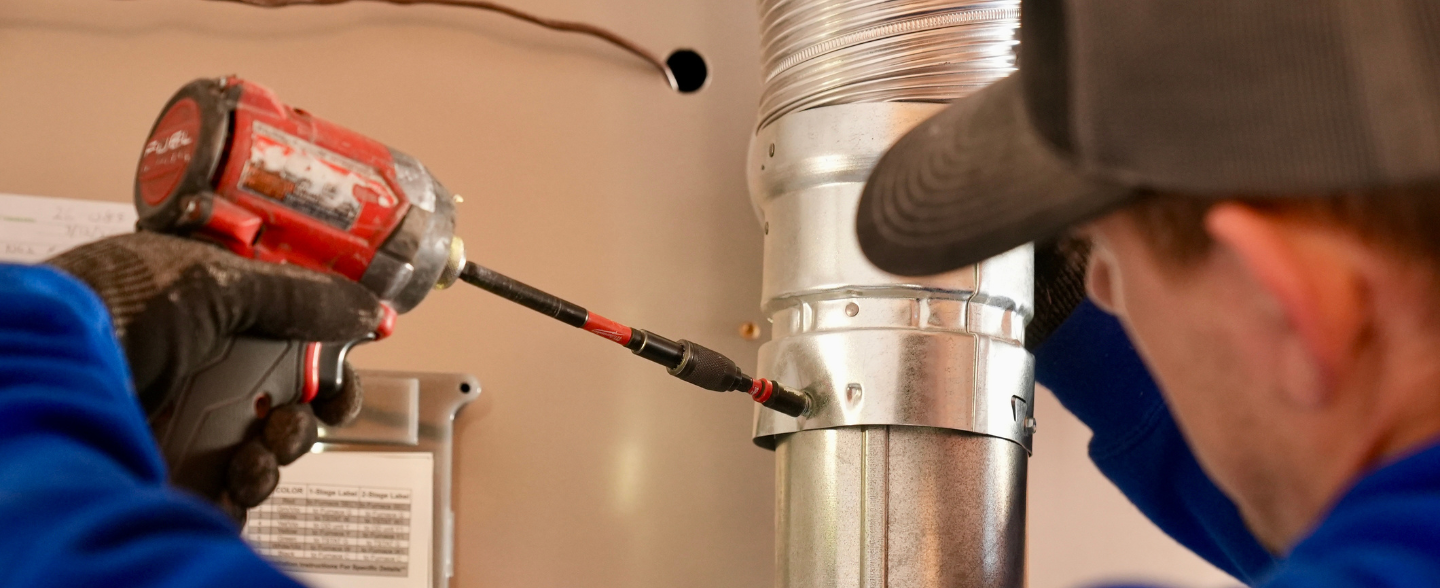
No homeowner wants to experience an air conditioner failure in the middle of an Idaho heat wave, but knowing how to respond can make all the difference. By checking simple items like your thermostat, circuit breaker, air filter, and outdoor unit, you may be able to identify minor issues or prevent additional damage before professional help arrives.
At the same time, it's important to recognize when a problem goes beyond basic troubleshooting. Electrical issues, refrigerant leaks, frozen coils, burning odors, or complete system failures require prompt attention from experienced HVAC technicians. Delaying repairs can lead to more extensive damage, higher repair costs, and uncomfortable or even unsafe indoor conditions during periods of extreme heat.
If your system has stopped cooling and you need emergency AC repair Caldwell ID, Arctic Air is ready to help homeowners throughout Caldwell, Boise, Meridian, Nampa, Eagle, Star, Middleton, and the surrounding Treasure Valley.
Whether the solution is a simple repair, routine maintenance, or guidance on replacing an aging system, our experienced technicians are committed to restoring your home's comfort as quickly and safely as possible.
Don't wait until a small problem becomes a major breakdown. Schedule professional service today and enjoy the peace of mind that comes with dependable cooling when you need it most.