
Ready to Get Started?
Schedule a consultation with our expert HVAC technicians and get a quote for your HVAC project.
Keeping every room in your home comfortable should not feel impossible during an Idaho summer. Yet many homeowners notice that while the living room feels cool, an upstairs bedroom, garage conversion, or bonus room stays several degrees warmer.
This problem is more common than you might think. Uneven temperatures often develop gradually as homes settle, HVAC systems age, filters become dirty, or airflow changes over time. In many cases, your air conditioner is working properly, but conditioned air simply is not reaching every space efficiently.
Understanding why uneven cooling in house occurs can help you avoid unnecessary repairs while improving comfort, lowering energy costs, and extending the life of your HVAC equipment.
Why Does Uneven Cooling in House Happen?
A central air conditioning system is designed to distribute cooled air evenly throughout your home. When every component works together properly, each room should remain within a few degrees of your thermostat setting.
However, homes are rarely perfect.
Small issues throughout the HVAC system can combine to create noticeable hot spots. In Idaho homes, these problems become even more obvious during long periods of high summer temperatures when your air conditioner operates for extended cycles.
Several factors contribute to uneven cooling, including:
- Restricted airflow
- Dirty air filters
- Leaky ductwork
- Poor insulation
- Incorrect system sizing
- Thermostat placement
- Sun exposure
- Closed or blocked vents
Rather than assuming the air conditioner itself is failing, it helps to view your home's cooling system as a complete network. Every part must work together to deliver consistent comfort.
Signs Your Home Has Uneven Cooling
Some temperature differences are minor and barely noticeable. Others become frustrating enough that certain rooms feel uncomfortable throughout the day.
Watch for these common signs:
One Bedroom Always Feels Warmer
This is one of the most common homeowner complaints.
Bedrooms located above garages or on the west side of the home often receive more afternoon heat while also experiencing reduced airflow from the HVAC system.
Upstairs Stays Hot
Warm air naturally rises.
Without proper airflow balancing and insulation, second-story rooms frequently become warmer than the main floor, especially during Idaho's hottest months.
The Thermostat Says One Thing While Rooms Feel Different
Your thermostat only measures the temperature where it is installed.
If it's located near a frequently used hallway or in a naturally cooler location, it may signal the AC to shut off before distant rooms have fully cooled.
Some Vents Blow Strong While Others Barely Produce Air
Weak airflow usually points toward duct restrictions, disconnected ducts, dirty filters, or balancing issues rather than an air conditioner that has stopped cooling.
Energy Bills Continue Increasing
When your system struggles to cool every room evenly, it often runs longer than necessary.
Longer cooling cycles increase electrical usage while placing additional wear on major HVAC components.
The Most Common Causes of Uneven Cooling
Several different issues can create hot rooms. Some are simple maintenance concerns, while others require professional diagnosis.
Dirty Air Filters Restrict Airflow
One of the easiest problems to fix is also one of the most overlooked.
As air filters become clogged with dust, pollen, and debris, airflow throughout your HVAC system decreases. Rooms located farther away from the blower often receive less conditioned air first.
Replacing your air filter regularly helps maintain healthy airflow while improving indoor air quality.
For most Idaho homes, checking filters every one to three months is a good habit, particularly during peak cooling season.
Closed or Blocked Supply Vents
Some homeowners close vents in unused rooms hoping to save energy.
Unfortunately, most central HVAC systems are designed to distribute air across the entire home. Closing vents increases static pressure inside the duct system, which can reduce airflow elsewhere.
Furniture, curtains, rugs, and decorative items can also block supply vents without homeowners realizing it.
Walk through your home periodically and ensure every register has several feet of open space for unrestricted airflow.
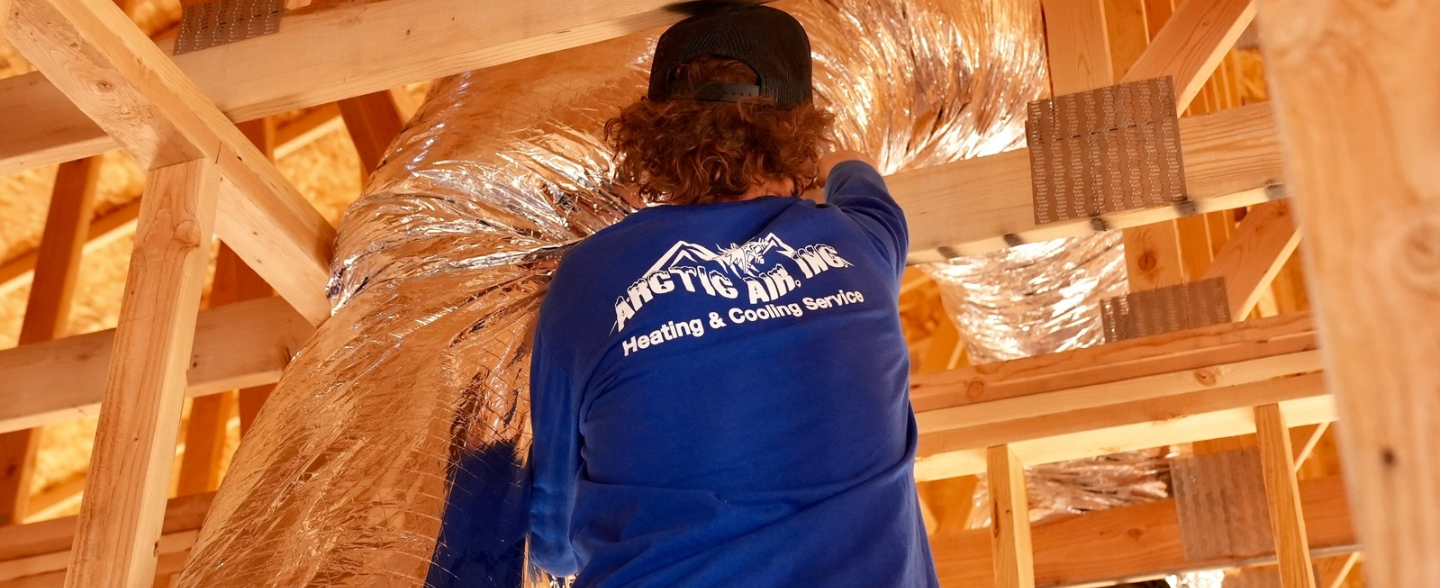
Leaky or Damaged Ductwork
Many homeowners never think about the ductwork hidden inside walls, crawl spaces, and attics.
Yet damaged ducts are one of the leading causes of uneven cooling in house.
Even small leaks allow conditioned air to escape before reaching the intended rooms.
Common causes include:
- Loose duct connections
- Torn flexible ducts
- Crushed duct sections
- Aging duct seals
- Improper installation
When cooled air escapes into an attic or crawl space, your air conditioner must work much harder to achieve the desired indoor temperature.
Professional duct inspections can often identify airflow losses that homeowners cannot easily detect on their own.
Poor Insulation Creates Hot Spots
Your HVAC system can only cool a room as effectively as the home's insulation allows.
Rooms with inadequate attic insulation, older windows, or excessive sun exposure absorb heat much faster than properly insulated spaces.
Bonus rooms, finished attics, home additions, and garages converted into living areas are particularly susceptible because they often have different insulation levels than the original home.
Improving insulation frequently reduces cooling demand while making indoor temperatures much more consistent.
Thermostat Placement Can Affect Your Entire Home
Your thermostat acts as the control center for your cooling system. If it is installed in an area that does not accurately represent the average temperature throughout your home, it can contribute significantly to uneven cooling in house.
For example, a thermostat located:
- Near a sunny window
- Close to the kitchen
- Adjacent to an exterior door
- Near an air supply register
may reach the target temperature much sooner than other parts of the home. As a result, the AC shuts off before distant rooms have had enough time to cool.
Likewise, if the thermostat is located in an unusually cool hallway, the air conditioner may continue running longer than necessary, making already cool rooms feel overly cold while warmer rooms remain uncomfortable.
Professional HVAC contractors can often recommend a better thermostat location or install smart thermostats with remote temperature sensors that average temperatures across multiple rooms.
Is Your HVAC System the Right Size?
Many homeowners assume bigger always means better when it comes to air conditioning. Surprisingly, an oversized AC system can create just as many comfort problems as one that is too small.
Oversized Air Conditioners
A system that is too large cools the thermostat location very quickly.
While this sounds efficient, it actually creates several problems:
- Short cycling
- Poor humidity removal
- Uneven temperatures
- Increased equipment wear
- Higher repair frequency
Because the cooling cycle ends so quickly, rooms farther from the thermostat may never receive enough conditioned air.
Undersized Air Conditioners
On the other hand, an undersized system may run continuously without ever reaching the desired temperature.
Signs include:
- Constant operation during hot afternoons
- Warm rooms throughout the house
- High utility bills
- Reduced comfort
- Difficulty maintaining thermostat settings
System sizing should always be based on a professional load calculation that considers:
- Home size
- Ceiling height
- Window placement
- Insulation levels
- Sun exposure
- Occupancy
- Local Idaho climate
Home Additions Often Create Cooling Problems
Many Idaho homeowners eventually add:
- Bonus rooms
- Sunrooms
- Home offices
- Finished basements
- Garage conversions
- Workshops
Unfortunately, these spaces are frequently connected to an HVAC system that was never designed to cool the additional square footage.
Adding supply vents alone rarely solves the problem.
Instead, these spaces often require:
- Dedicated duct modifications
- Air balancing
- Separate zoning
- A ductless mini split
- Improved insulation
This is one reason ductless systems have become increasingly popular for home additions throughout the Treasure Valley.
Airflow Balancing Makes a Bigger Difference Than Most Homeowners Realize
Every HVAC system should deliver the proper amount of conditioned air to each room.
This process is called air balancing.
During professional balancing, technicians measure airflow at each supply register and adjust dampers within the ductwork to distribute air more evenly.
Benefits include:
- More consistent room temperatures
- Improved comfort
- Better energy efficiency
- Less strain on HVAC equipment
- Reduced hot and cold spots
Many homeowners are surprised how much improvement professional balancing provides without replacing the entire system.
Common Causes of Uneven Cooling in House
What Homeowners Can Check Before Calling an HVAC Technician
Not every cooling issue requires a major repair. There are several simple checks homeowners can perform before scheduling professional service.
Replace the Air Filter
A clogged filter is one of the most common causes of restricted airflow.
If it has been several months since your last replacement, installing a new filter may noticeably improve cooling performance.
Inspect Every Supply Register
Walk through your home and verify that:
- Every vent is fully open
- Furniture is not blocking airflow
- Curtains are not covering registers
- Rugs are not restricting floor vents
Even partially blocked vents can reduce comfort in nearby rooms.
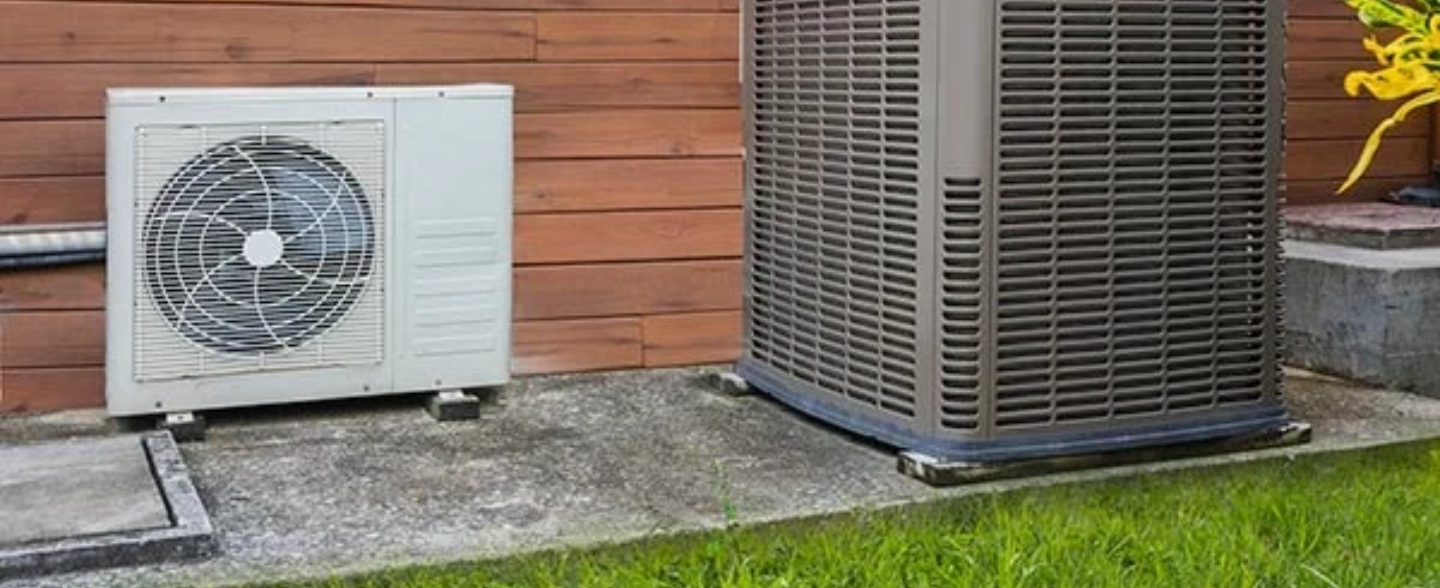
Check Outdoor Equipment
Your outdoor condenser needs unrestricted airflow to reject heat effectively.
Remove:
- Leaves
- Grass clippings
- Branches
- Dirt buildup
- Weeds growing around the unit
Maintain at least two feet of open space around the equipment whenever possible.
Verify Ceiling Fan Direction
During summer, ceiling fans should rotate counterclockwise.
This pushes air downward, creating a wind chill effect that helps rooms feel cooler without lowering the thermostat.
While fans do not actually cool the air, they can improve comfort significantly.
Look for Obvious Air Leaks
Inspect:
- Exterior doors
- Window frames
- Attic access panels
- Garage entry doors
Warm outdoor air entering the home forces your air conditioner to work harder and often contributes to uneven temperatures.
Review Thermostat Settings
Sometimes the issue is simply an incorrect thermostat schedule.
Verify:
- Cooling mode is selected
- Fan is set to "Auto" rather than "On" unless continuous circulation is desired
- Program schedules match your daily routine
- Batteries are functioning properly if applicable
Modern smart thermostats can also provide diagnostic information that may help identify system performance issues before they become major repairs.
When Should You Call an HVAC Professional?
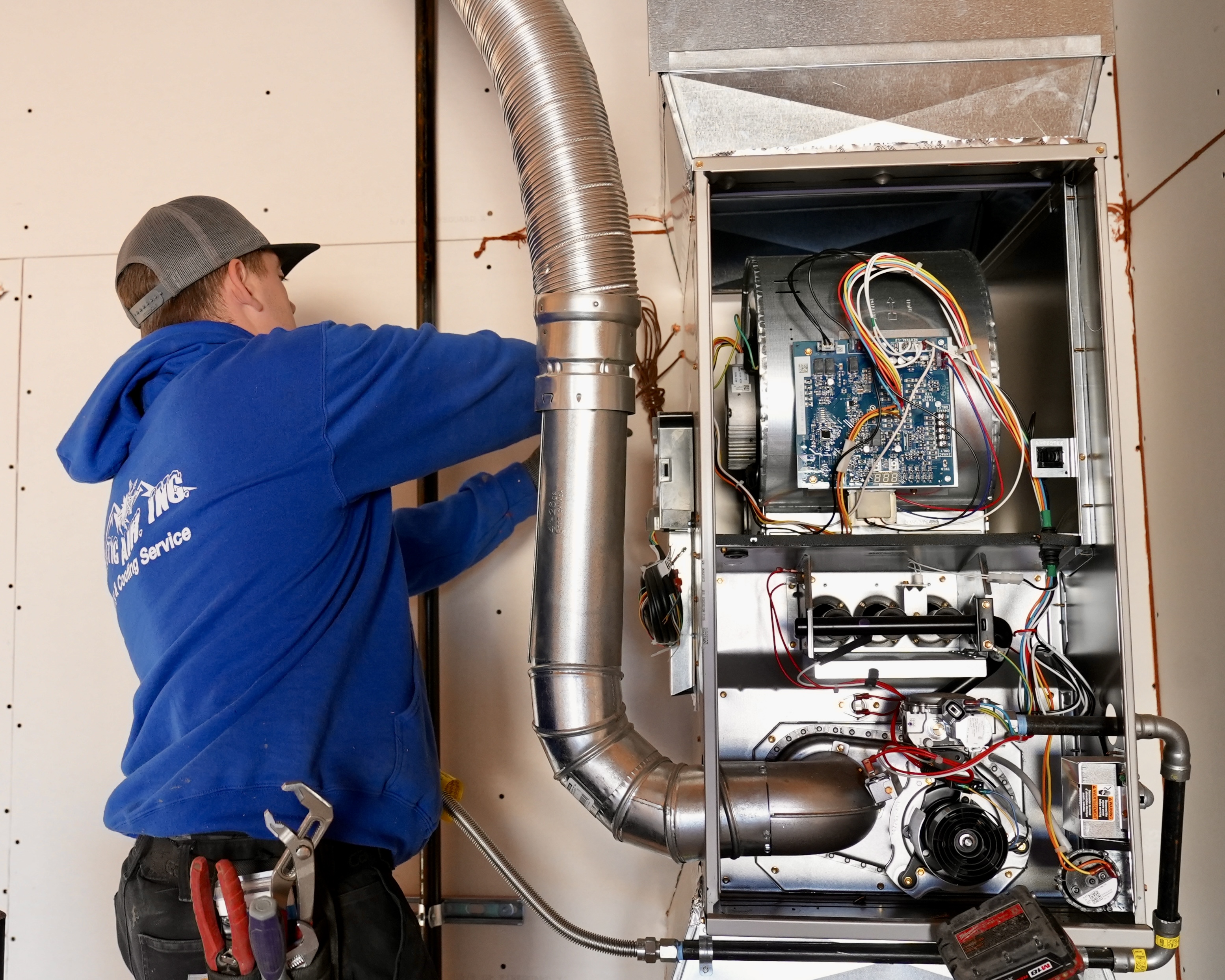
While some airflow issues can be resolved with routine maintenance, persistent uneven cooling in house often requires a professional inspection. HVAC technicians have specialized tools that measure airflow, static pressure, refrigerant levels, and system performance to identify problems that are not visible during a basic homeowner inspection.
Consider scheduling professional service if:
- One or more rooms remain consistently warmer than the rest of the home.
- Your AC runs continuously without reaching the thermostat setting.
- Energy bills continue increasing without a clear explanation.
- Airflow from certain vents is noticeably weaker.
- The system cycles on and off frequently.
- You hear unusual noises from the ductwork or equipment.
- Your home recently underwent remodeling or an addition.
Early diagnosis often prevents small issues from becoming costly repairs while restoring comfort throughout your home.
Professional Solutions for Uneven Cooling
Once the root cause has been identified, several professional solutions may improve comfort without replacing your entire HVAC system.
Duct Sealing
Leaky ducts waste conditioned air before it reaches occupied rooms.
Professional duct sealing helps:
- Improve airflow
- Increase energy efficiency
- Reduce cooling costs
- Create more consistent room temperatures
Air Balancing
Professional air balancing adjusts dampers within the duct system to distribute conditioned air more evenly throughout the home.
Benefits include:
- Improved comfort
- Better airflow consistency
- Reduced hot and cold spots
- More efficient HVAC operation
Adding a Zoned HVAC System
For larger homes or homes with multiple floors, zoning can dramatically improve comfort.
Instead of treating the entire house as one area, zoning divides the home into independently controlled sections.
Each zone has its own thermostat, allowing family members to maintain different temperatures where needed without overcooling other areas.
Upgrading Insulation
Sometimes the HVAC system performs perfectly, but the home cannot retain cooled air.
Additional attic insulation, improved wall insulation, and better window performance can significantly reduce temperature differences between rooms.
Installing a Ductless Mini Split
Some spaces simply are not ideal candidates for extending existing ductwork.
These commonly include:
- Garage workshops
- Finished garages
- Bonus rooms
- Sunrooms
- Home additions
- Detached offices
A ductless mini split provides independent cooling without placing additional strain on the central HVAC system.
Because each indoor unit has its own thermostat, occupants can maintain comfortable temperatures without affecting the rest of the house.
Preventive Maintenance Helps Prevent Uneven Cooling
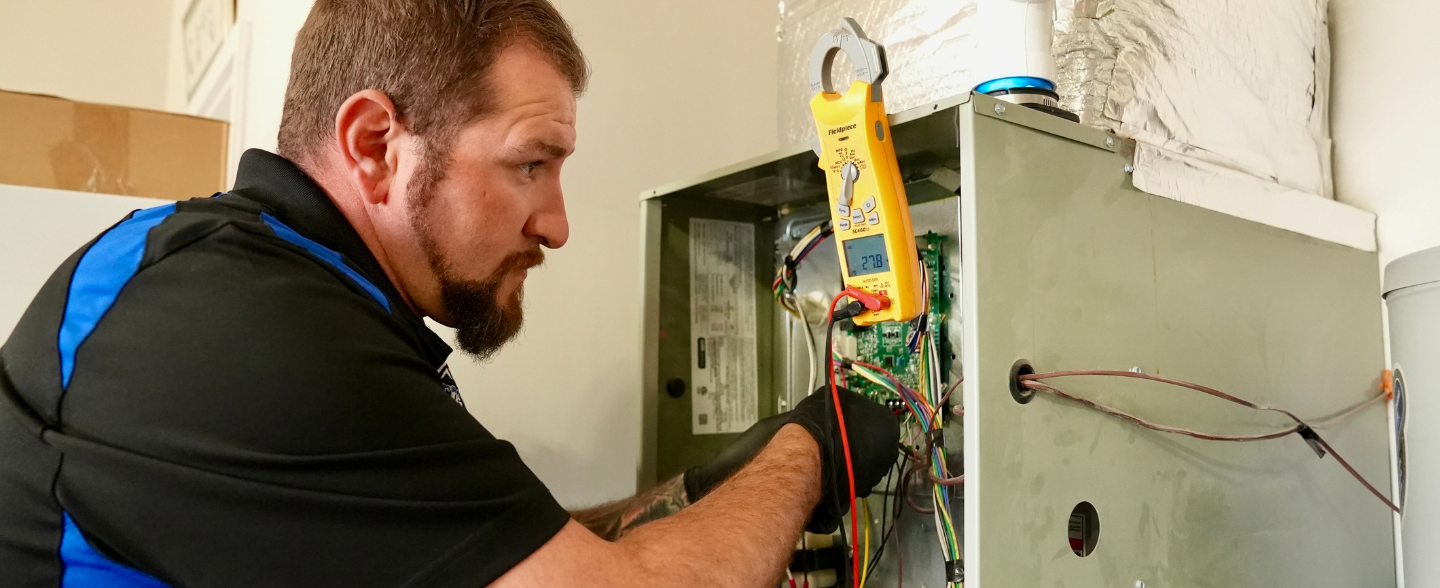
Routine HVAC maintenance does much more than prevent unexpected breakdowns.
Regular professional tune-ups help ensure your cooling system continues delivering balanced airflow throughout your home.
Maintenance appointments typically include:
- Cleaning coils
- Inspecting blower components
- Checking refrigerant charge
- Testing electrical connections
- Verifying thermostat operation
- Measuring airflow
- Inspecting duct connections
- Replacing or checking filters
Catching airflow issues early often prevents larger comfort problems from developing during Idaho's hottest months.
Frequently Asked Questions
Why is one room hotter than the rest of my house?
The most common causes include poor airflow, leaky ductwork, inadequate insulation, blocked vents, thermostat placement, or sun exposure. A professional inspection can determine the exact cause.
Can dirty air filters cause uneven cooling?
Yes.
A clogged filter restricts airflow throughout the HVAC system. Rooms located farther from the blower often experience reduced airflow first, making them noticeably warmer.
Will closing vents in unused rooms help cool other areas?
Generally, no.
Most residential HVAC systems are designed to operate with all supply vents open. Closing vents can increase system pressure and reduce overall airflow, sometimes making uneven cooling even worse.
Can a smart thermostat solve uneven cooling?
Sometimes.
Smart thermostats equipped with remote sensors can better average temperatures across multiple rooms, reducing temperature differences caused by poor thermostat placement.
However, they cannot correct underlying airflow or ductwork issues.
Is a ductless mini split a good option for one hot room?
Yes.
Ductless systems are one of the best solutions for rooms that consistently remain warmer than the rest of the home, especially garages, workshops, additions, and bonus rooms.
Can uneven cooling increase my energy bills?
Absolutely.
When your HVAC system struggles to cool certain rooms, it often runs longer than necessary. Longer operating cycles increase electricity usage while placing additional wear on system components.
Enjoy Consistent Comfort Throughout Every Room

Living with hot rooms during an Idaho summer is not something homeowners should simply accept. Whether the problem stems from airflow restrictions, aging ductwork, insulation issues, or system design, identifying the root cause is the first step toward restoring comfort.
Many cooling issues can be resolved through professional maintenance, duct improvements, air balancing, or targeted system upgrades without replacing the entire HVAC system. By addressing uneven temperatures early, you can improve comfort, reduce energy costs, and help your heating and cooling equipment operate more efficiently for years to come.
If certain rooms in your home never seem to cool properly, working with an experienced HVAC professional can provide the customized solutions needed to create more even, reliable comfort throughout every season.